
If you're searching for a migraine diet plan, you're probably tired of hearing the same unhelpful advice: “just avoid trigger foods.” That sounds simple until you realize your attacks don't follow a neat list, your symptoms change, and the food you ate yesterday may not be the whole story today.
A useful migraine diet plan is usually not a forever-restriction diet. It's a structured process: steady meals, a short elimination phase when appropriate, and a careful reintroduction phase so you can learn what affects your migraine attacks. Migraine is a neurological disease, not just a bad headache, and food is only one part of the picture.
This article is for informational purposes and is not medical advice. Consult a healthcare provider for personalized guidance.
Table of Contents
- How long does it take to tell if a migraine diet plan is helping
- What if I do all this and don't find a food trigger
- What about keto intermittent fasting and supplements
- Can I just avoid tyramine and call it a day
- Is migraine the same as headache when I'm tracking symptoms
How Food Can Influence Migraine Attacks
You eat something that seems “healthy,” then a migraine attack lands a few hours later. The next week, you eat the same thing and feel fine. That inconsistency is exactly why food and migraine can feel maddening.
For some people, a specific food matters. For others, the bigger issue is how they eat: skipped meals, long gaps without food, highly variable carbohydrate intake, or a pattern that leaves them under-fueled.

Why food feels so confusing
Some foods are often discussed in migraine care because they contain compounds such as tyramine, histamine, or nitrates. Aged cheese, alcohol, chocolate, and processed meats often come up in those conversations. But “often discussed” doesn't mean “universal trigger.”
A migraine attack also has phases. Prodrome is the early warning phase before head pain for some people, and postdrome is the drained, foggy phase after the attack. That matters because a food craving in prodrome can be mistaken for a trigger. Someone may crave chocolate because an attack has already started neurologically, then blame the chocolate afterward.
Practical rule: Don't label a food as a trigger from one bad day. Look for a repeatable pattern under similar conditions.
A broader review of dietary patterns found that up to 60% of migraine patients report dietary triggers, but it also found that low-glycemic diets significantly reduced migraine frequency, while Mediterranean-style and DASH-style patterns were associated with improved symptoms. The same review noted potential benefits in some studies for ketogenic diets and low-fat diets that emphasize omega-3s, according to this review summary in Neurology Advisor.
What seems to help more than random restriction
In practice, the most useful starting point is usually not a long list of forbidden foods. It is a diet pattern that reduces chaos.
That usually means:
- Regular meals that prevent long fasting gaps
- Lower-glycemic choices more often, especially if you notice crashes after refined carbs
- Whole-food meals built around vegetables, legumes, whole grains, fish, and other minimally processed foods when tolerated
- Less reliance on processed convenience foods that bundle several possible triggers together
A simple comparison helps:
PatternUsually less helpfulUsually more helpfulMeal timingSkipping breakfast, late first meal, erratic eatingMore regular meals and snacks when neededCarbohydratesRefined, fast-digesting foods by themselvesLower-glycemic meals with better staying powerFood qualityHeavily processed foods with multiple additivesSimpler whole-food mealsTrigger strategyGuessing and cutting everythingTesting methodically
Many people start by chasing single ingredients. That's understandable, but it can backfire. A better migraine diet plan starts with stability first, then testing.
The Two-Phase Approach to a Migraine Diet
An effective migraine diet plan works like an investigation, not a punishment. You calm the noise first, then test one variable at a time.
That matters because permanent restriction is rarely the goal. In the research on elimination approaches, randomized controlled trials targeting IgG-related foods reported reductions in migraine days ranging from 19% to 29%, yet experts also estimate that 10% or less of migraine patients have true, consistent sensitivity to specific food triggers, based on the review in Nutrients on dietary approaches and migraine. That's why the reintroduction phase is not optional.

Phase 1 Elimination
This phase should be short, structured, and realistic.
Pick a limited set of foods you strongly suspect or that commonly complicate migraine tracking for you. Don't eliminate everything that has ever appeared on the internet. When people cut too much at once, they often end up under-eating, stressed, and unable to tell which change mattered.
A practical elimination phase usually works best when you:
- Choose a defined list
Remove only the foods or food groups you're actively testing. Common examples people choose to test include aged cheeses, processed meats, alcohol, chocolate, or certain highly processed packaged foods. - Keep the rest of your diet boring in a good way
Use repeatable meals. Similar breakfasts and lunches make patterns easier to spot. - Stay consistent every day
“Mostly avoiding” a test food doesn't help much. A little here and there muddies the picture. - Protect your basic routine
Keep meal timing, hydration, caffeine habits, and sleep as stable as you can. Otherwise you won't know whether food was the issue.
The elimination phase should simplify your life for a while. If it makes your life dramatically harder, it's probably too restrictive.
Phase 2 Reintroduction
This is the phase people rush, and it's where most of the useful information comes from.
Add back one food at a time. Keep the rest of the plan steady while you test that single item. If you reintroduce several foods in the same window, you lose the ability to interpret the result.
A practical way to do this:
- Pick one food
- Eat a normal serving in a deliberate test
- Watch for symptoms over the next few days
- Return to baseline before testing the next food
Some people notice symptoms quickly. Others need a longer observation window because migraine is affected by sleep, hormones, stress, weather, and routine changes. The point is not speed. The point is clarity.
What to track besides pain
If you only track “migraine yes or no,” you'll miss useful clues.
Watch for changes in:
- Prodrome symptoms such as fatigue, irritability, food cravings, yawning, or trouble concentrating
- Aura if you experience it, meaning reversible neurological symptoms that can include visual changes, tingling, or language disturbance
- Attack features such as nausea, photophobia, phonophobia, or dizziness
- Postdrome symptoms like brain fog or exhaustion the day after
A short symptom log can look like this:
What happenedWhat to noteFood testFood, meal, and time eatenEarly symptomsFatigue, mood shift, neck pain, cravingsAttack detailsStart time, severity, nausea, light sensitivityRecoveryHow long it lingered, next-day fog or weakness
A strong migraine diet plan doesn't end with “I think cheese is bad.” It ends with something more specific, such as: “Aged cheese seems fine unless I've skipped lunch and slept badly,” or “Red wine reliably precedes attacks, but fresh dairy doesn't.”
That's the kind of answer you can use.
Practical Meal Planning for Your Elimination Phase
Failure during an elimination phase isn't typically due to a lack of discipline. It occurs because Tuesday gets busy, the fridge is empty, and the only easy option is a random snack and coffee.
A good plan lowers friction. It gives you meals you can repeat without much thought.
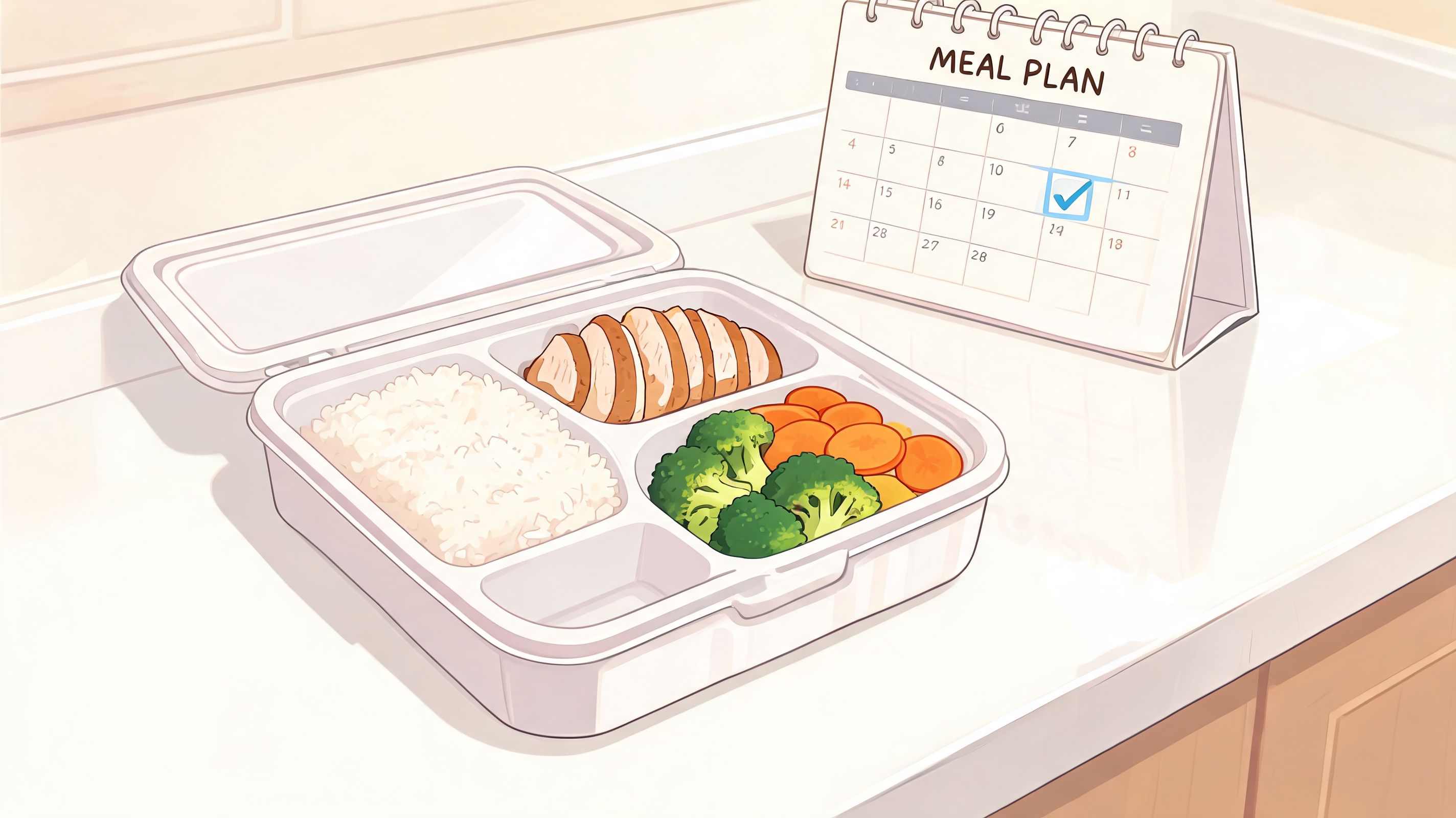
A simple three-day example
This sample is intentionally plain. It focuses on regular meals, familiar ingredients, and fewer obvious trigger candidates. You can adjust for vegetarian, dairy-free, gluten-free, or other medical needs with professional guidance.
Day 1
- Breakfast
Oatmeal made with plain oats, topped with blueberries and chia seeds - Lunch
Grilled chicken, brown rice, cucumber, carrots, and olive oil - Snack
Apple with sunflower seed butter if tolerated - Dinner
Baked salmon, roasted sweet potato, and green beans
Day 2
- Breakfast
Scrambled eggs with spinach and plain roasted potatoes - Lunch
Turkey, quinoa, lettuce, cucumber, and olive oil dressing - Snack
Pear and a small handful of tolerated seeds - Dinner
Lentil and vegetable soup with a side of brown rice
If you already know one of these foods bothers you, don't force it. An elimination plan should remove uncertainty, not ignore your own history.
Day 3
- Breakfast
Plain yogurt if tolerated, mixed with oats and berries. If dairy is part of your elimination, use a simple tolerated alternative. - Lunch
Leftover salmon bowl with rice, zucchini, and leafy greens - Snack
Sliced cucumber, carrots, and hummus if legumes are tolerated - Dinner
Chicken stir-fry with broccoli, carrots, and rice, using simple seasoning
A lot of readers find it easier to see meal ideas in action before shopping. This short video can help make that planning feel less abstract.
A basic shopping list
Build your list around repeatable staples, not aspirational recipes.
- Proteins
Chicken, turkey, eggs, salmon, lentils, plain yogurt if tolerated - Carbohydrates
Oats, brown rice, quinoa, sweet potatoes, plain whole grains you already tolerate - Produce
Blueberries, pears, apples, cucumbers, carrots, zucchini, broccoli, green beans, spinach, leafy greens - Fats and extras
Olive oil, chia seeds, sunflower seed butter, simple herbs, salt, pepper
Use meal prep to reduce decision fatigue. Cook one grain, one protein, and a tray of vegetables at once. Then mix and match.
If you want more practical migraine self-management ideas beyond food, the articles on the Relief blog about migraine patterns and daily management can help you think through routine, symptoms, and trigger tracking.
Using Data to Personalize and Refine Your Plan
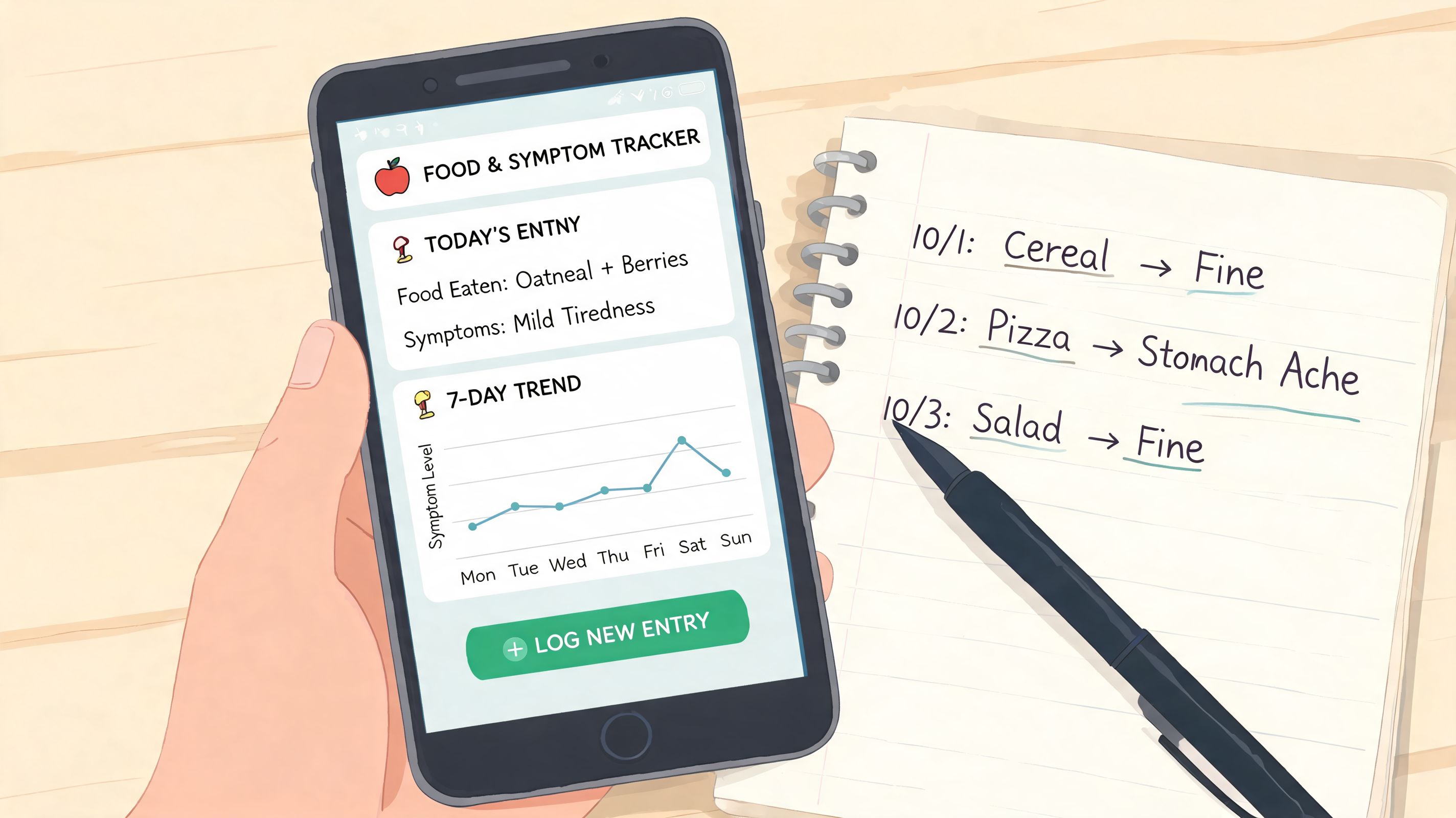
Paper logs can work. But once migraine gets layered with sleep changes, hormonal shifts, weather swings, travel, caffeine, and stress, a handwritten notebook can turn into pages of guesswork.
That's where a tracking system becomes useful. Not because an app can diagnose you, but because it can help you spot repeated pairings that are hard to see manually.
What to log during food testing
Keep your entries simple enough that you'll do them. Overly detailed logs usually collapse after a few days.
Record these basics during reintroduction:
- Food tested
Be specific. “Cheese” is less useful than “aged cheddar at lunch.” - Time and context
Note when you ate it and whether it was part of a larger meal or by itself. - Portion size
You don't need perfection. “Small serving,” “normal serving,” or “larger than usual” is often enough. - Symptoms over the next window
Include early neurological symptoms, not just head pain.
Why patterns are easy to miss on paper
A major gap in migraine education is the lack of guidance on combining diet changes with digital tracking. The Migraine Trust notes the value of logging food alongside environmental factors like barometric pressure, which can reveal interactions such as a food only seeming to trigger attacks when weather shifts are also happening, as described by The Migraine Trust's guidance on migraine and diet.
That kind of interaction matters. If a storm front is approaching, your sleep was poor, and you skipped lunch, the chocolate you ate at 4 p.m. may not be the whole story.
Sometimes the real trigger isn't a single food. It's a stack of vulnerabilities that happened on the same day.
A better analysis asks:
QuestionBetter framingDid this food trigger me?What else was happening around the same time?Is this food always a problem?Does it only show up when sleep, stress, or weather are also off?Should I avoid this forever?Can I tolerate it under more stable conditions?
This is how a migraine diet plan becomes personalized instead of superstitious. You're not building a list of feared foods. You're building evidence.
Important Safety Considerations and Medical Guidance
This article is for informational purposes and is not medical advice. Consult a healthcare provider for personalized guidance.
If you're considering any restrictive migraine diet plan, especially one that removes multiple food groups, get professional input first. That's even more important if you have diabetes, a history of disordered eating, gastrointestinal disease, kidney disease, are pregnant, or are managing another chronic condition.
Who should get medical guidance before starting
You should talk with a clinician or registered dietitian before starting if any of these apply:
- You take regular medications
Food changes, meal timing changes, and weight changes can affect how some treatment plans work. - You already eat a limited diet
Adding more restrictions can increase the risk of inadequate intake. - You have frequent migraine attacks or complex symptoms
Diet may help, but it shouldn't delay a fuller medical evaluation.
For broader migraine education, symptom tracking, and planning tools, Relief for migraine support and forecasting can be part of your management toolkit, but it isn't a replacement for medical care.
Red flag symptoms that need urgent care
Seek immediate medical care for:
- A sudden severe headache that reaches peak intensity fast
- Headache with fever or a stiff neck
- New neurological changes such as weakness, confusion, fainting, or trouble speaking
- Headache after a head injury
- A major change in your usual migraine pattern
Migraine can include neurological symptoms like aura, but new or unusual symptoms still deserve prompt medical attention. If something feels different from your typical pattern, don't try to self-manage it with diet changes alone.
Frequently Asked Questions About Migraine Diets
How long does it take to tell if a migraine diet plan is helping
Usually, you need enough time to see whether your baseline becomes calmer and whether your food tests produce repeatable patterns. In real life, this means patience. If your weeks are unusually stressful, sleep-deprived, or full of travel, your data may be harder to interpret.
The bigger question isn't “Did I have one better day?” It's “Am I seeing a clearer pattern than before?”
What if I do all this and don't find a food trigger
That's still useful information.
Some people don't have a consistent food trigger at all. Food may matter less than irregular meals, poor sleep, weather, hormonal shifts, sensory overload, or a combination of factors. A migraine diet plan can still help by making meals more regular and reducing day-to-day volatility, even if no single culprit emerges.
What about keto intermittent fasting and supplements
Be careful with trend-based thinking. Some trials show keto or high omega-3 diets can reduce migraine frequency by 20% to 50%, but the link between single trigger chemicals such as tyramine remains debated, and newer discussion described by the American Migraine Foundation's article on planning a migraine diet points toward broader anti-inflammatory patterns, including Mediterranean-keto hybrids in emerging 2025 to 2026 research, rather than obsessing over one ingredient.
That doesn't mean everyone should try keto. It means dietary quality, meal consistency, and personalization may matter more than internet trigger lists.
As for supplements, they belong in a conversation with your clinician. “Natural” doesn't automatically mean safe, and supplements can interact with medications or be inappropriate for certain health conditions.
Can I just avoid tyramine and call it a day
Usually, no.
A low-tyramine list can be a starting hypothesis, but it's not a diagnosis. If you avoid a long list forever without testing, you may end up eating a smaller and smaller diet without learning much. The point is to identify what is reproducible for you.
Is migraine the same as headache when I'm tracking symptoms
No. Migraine is a neurological condition that can include head pain, but also nausea, vomiting, photophobia which means light sensitivity, phonophobia which means sound sensitivity, dizziness, aura, and postdrome symptoms. Track the full episode, not just pain intensity.
If you want help turning food notes, symptoms, and environmental patterns into something more usable, Relief can support that process by helping you track attacks and spot patterns over time.


