
Daily persistent headache is rare, affecting an estimated 0.03% to 0.1% of the general population, and it is defined by pain that begins suddenly on a specific day and continues without relief for more than 3 months. It needs careful medical evaluation because serious underlying conditions can look similar.
You may remember the day clearly. You were getting ready for work, caring for your family, or having an ordinary morning when head pain appeared, and it never fully left. Over time, people around you may stop asking how you feel, while you keep adjusting plans, work, sleep, and relationships around pain that has become part of every hour.
This article is for informational purposes and is not medical advice. Consult a healthcare provider for personalized guidance. If you have a sudden, severe headache, a headache with fever or a stiff neck, neurological changes, or a headache after a head injury, seek immediate medical care.
Table of Contents
- Step one is reconstructing the beginning
- Step two is investigating possible mimics
- Step three is allowing time for a reliable diagnosis
Recognizing Daily Persistent Headache
Suppose you wake on an ordinary Tuesday, begin your usual routine, and notice a headache that does not fade by evening. The next morning, it is still there. People with new daily persistent headache, often called NDPH, can frequently identify that first day with unusual precision. They may say, “It started on a Tuesday,” rather than describe pain that slowly became more frequent over months or years.
NDPH is a rare primary headache disorder. Pain begins abruptly, becomes continuous and unremitting within 24 hours, and continues for more than 3 months. The International Classification of Headache Disorders description of NDPH states that another primary or secondary headache disorder must not better explain the symptoms. That requirement matters because the same daily pain pattern can occur with conditions that need different tests and treatment.
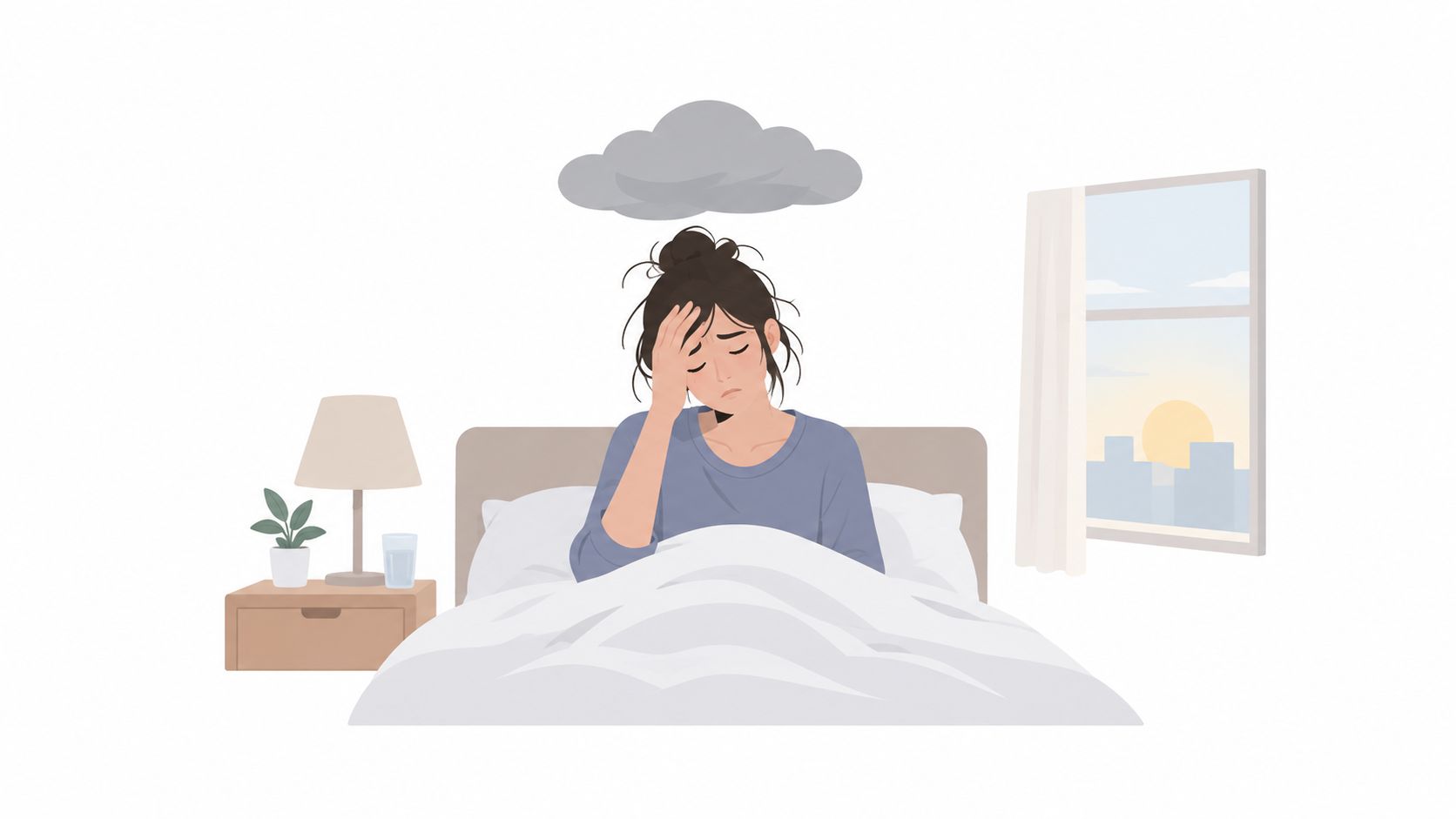
Why the first day matters
The pain may feel migraine-like, tension-like, or like a mixture of both. Pressure, throbbing, light sensitivity called photophobia, nausea, and other migraine-associated symptoms can occur. These features help describe the experience, but pain quality alone does not establish NDPH. The defining clue is the sudden onset followed by uninterrupted persistence.
Chronic migraine and chronic tension-type headache usually develop from an established pattern of recurrent headaches. Headache days may gradually increase or change over time. NDPH begins as a new daily problem, so the date, setting, and circumstances of onset give your clinician useful diagnostic information.
The disorder was first described in the 1980s, and the classification threshold changed from 72 hours in ICHD-2 to 24 hours in ICHD-3. A precise starting date can guide evaluation, but it does not guarantee an immediate diagnosis or a single effective treatment.
A practical distinction: “It became worse gradually” and “it began one day and never stopped” lead doctors toward different diagnostic questions.
If your headache began suddenly and has remained daily, record the start date and ask whether evaluation by a neurologist or headache specialist is appropriate, particularly when the diagnosis remains uncertain. Unrelenting pain can drain concentration, plans, and hope. Feeling dismissed does not make the pain minor, and difficulty functioning does not reflect a lack of determination.
Understanding the Diagnostic Process
NDPH is a diagnosis of exclusion. That doesn't mean your symptoms aren't real. It means clinicians need to investigate whether another condition is causing the new, continuous headache before they label it primary NDPH.
Step one is reconstructing the beginning
Your clinician will ask when the pain started, what you were doing at the time, whether it became continuous immediately, and whether you had an infection, injury, procedure, or other illness around then. Bring a written timeline if the story is complicated. Include changes in vision, balance, strength, sensation, speech, alertness, fever, and neck stiffness.
A neurological examination may assess reflexes, eye movements, strength, sensation, coordination, and other signs. A normal examination can provide useful information, but it doesn't reliably exclude every secondary cause of a persistent headache.
Step two is investigating possible mimics
Conditions that can resemble NDPH include spontaneous cerebrospinal-fluid leaks, cerebral venous sinus thrombosis, chronic meningitis, tumors, subdural hematoma, and post-traumatic headache. The systematic review on new daily persistent headache and secondary causes recommends contrast-enhanced brain MRI with MR venography because routine reassurance or a normal examination may not be enough.
Your imaging plan depends on your history, examination, risk factors, and clinician judgment. A guide to CT scans for migraine and headache evaluation can help you understand why different scans answer different medical questions, but it shouldn't replace a clinician's explanation of which test is appropriate for you.
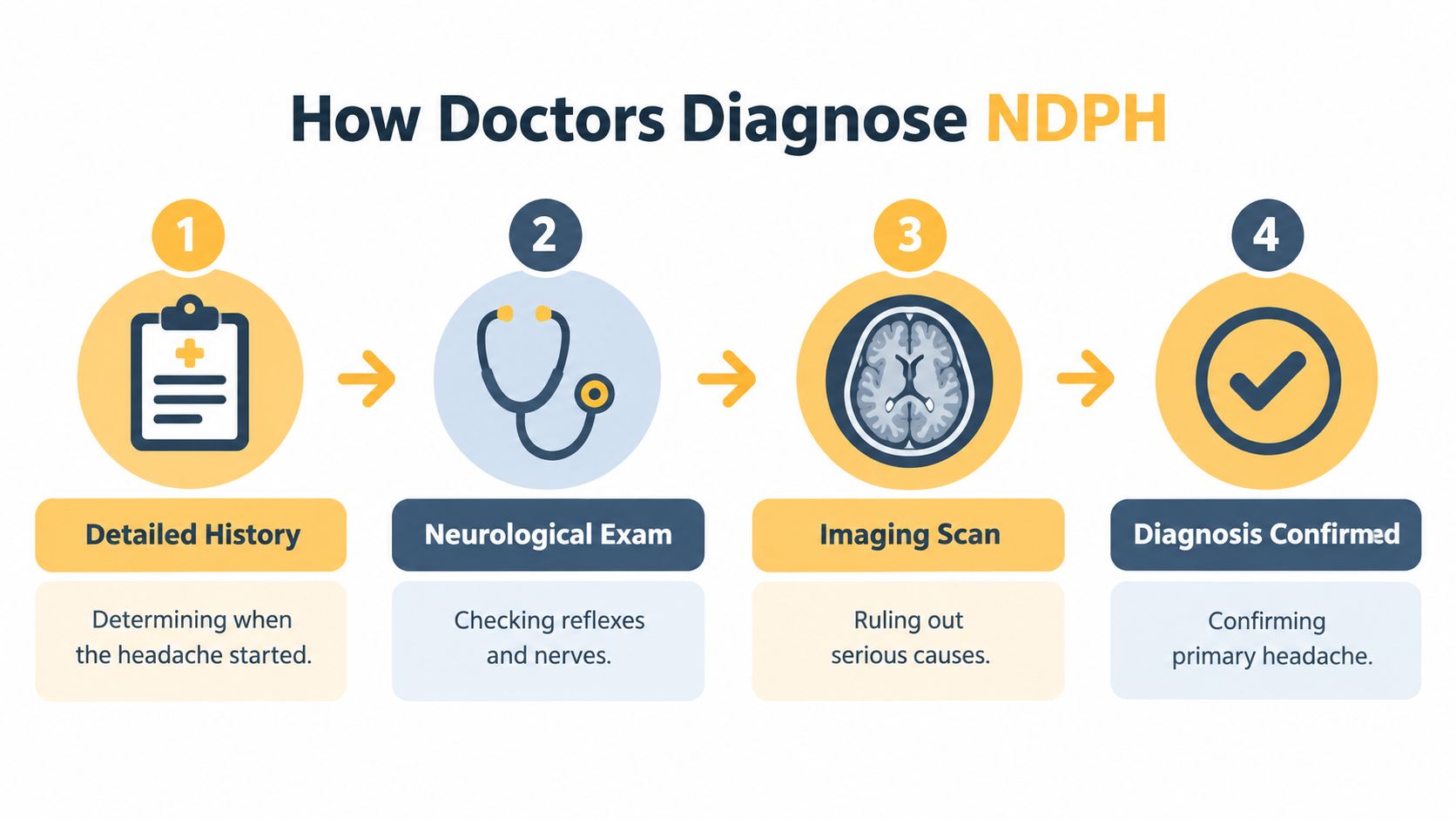
Step three is allowing time for a reliable diagnosis
Formal NDPH criteria require the headache to persist beyond 3 months, while other causes are being considered or investigated. That waiting period can feel unsatisfying, especially when you need an explanation immediately. It is also a reason to keep coordinated follow-up rather than accepting a reassuring label and disappearing from care.
Seek immediate medical care for a sudden severe headache, fever with a stiff neck, new weakness or numbness, confusion, fainting, trouble speaking, major vision changes, or a headache after a head injury. These symptoms don't prove a dangerous cause, but they require urgent assessment.
Treatment Options and Realistic Expectations
Treatment for NDPH often requires patience because the condition is heterogeneous. Two people may both meet the clinical description while having different pain qualities, associated symptoms, medication histories, and responses to treatment.
Research summarized in a 2025 large-cohort thesis reported that approximately one-third of patients responded to onabotulinumtoxinA, while fewer than one-quarter responded to CGRP monoclonal-antibody therapy. The same source reported that CGRP therapy was less effective in NDPH than in chronic migraine, so a migraine-oriented treatment pathway won't predictably help everyone with persistent daily pain. See the large-cohort thesis on NDPH treatment response for the cited findings.
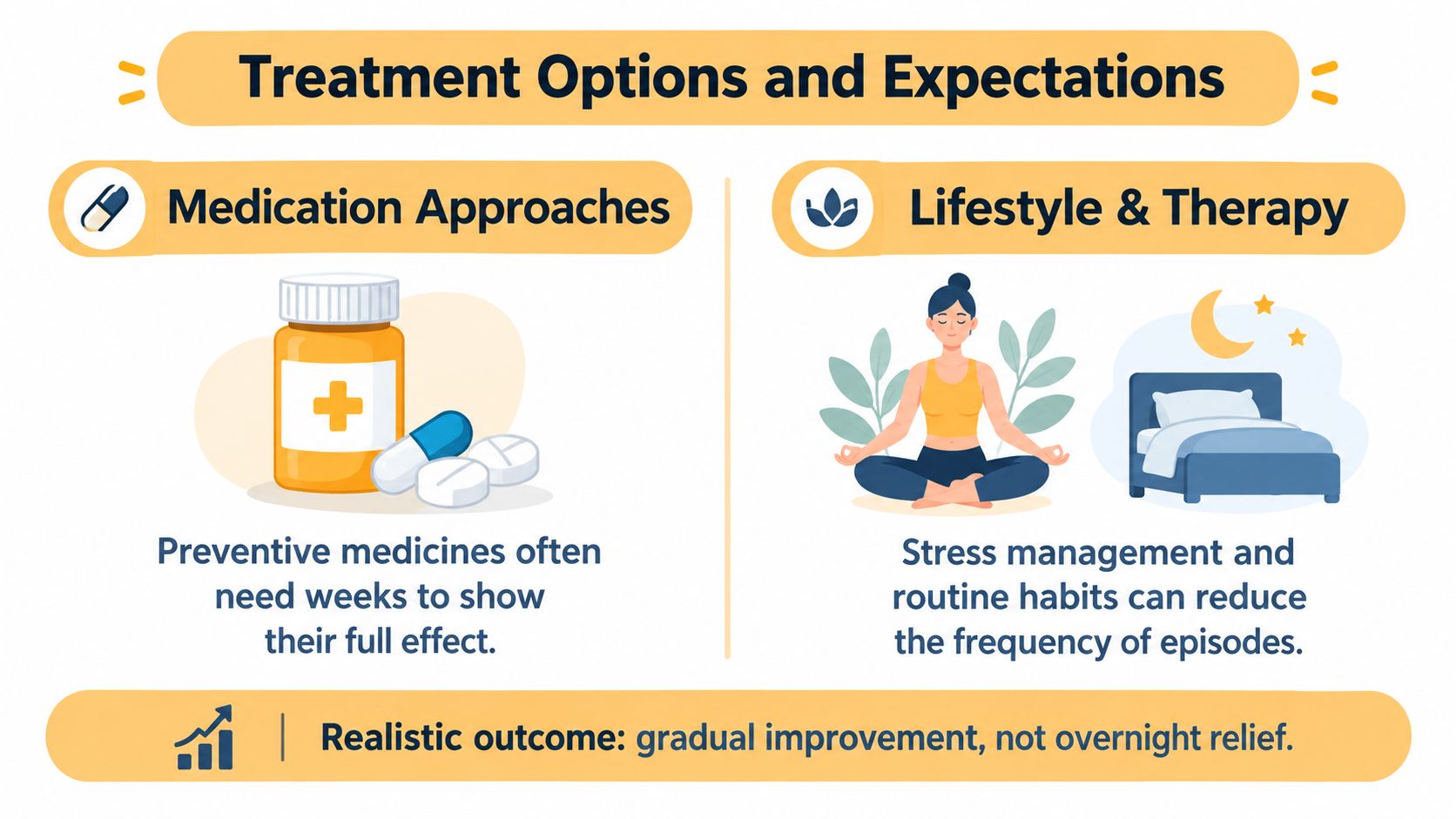
What a treatment trial should measure
A treatment may not eliminate pain, yet still produce an important improvement. Ask your healthcare provider how you'll assess benefit and side effects. Useful measures include:
- Headache-free hours: Record whether pain ever eases, even briefly.
- Function: Note whether you can work, exercise, care for others, or sleep more reliably.
- Symptom intensity: Use the same scale consistently so changes are easier to interpret.
- Rescue-medication use: Track how often you need acute symptom relief.
- Associated symptoms: Record nausea, photophobia, aura, dizziness, or sound sensitivity separately from pain.
Persistent baseline pain can make improvement difficult to notice. Medication overuse, mixed migraine-like and tension-like symptoms, and an unrecognized secondary cause can also obscure whether a treatment is helping. Your clinician may need to adjust the plan, address medication overuse, reconsider the diagnosis, or combine medication with non-medication support.
Lifestyle approaches aren't a substitute for medical evaluation, but regular sleep, hydration, meals, gentle activity when tolerated, and stress-management techniques may support overall headache care. Prescription and over-the-counter treatments should be discussed with a healthcare provider, who can consider your health history and potential risks. No treatment should be presented as a guaranteed cure.
Measure progress by life regained, not only by pain disappearing. Being able to attend an appointment, complete a task, or sleep more consistently can be clinically meaningful.
If the first migraine-focused treatments fail, that doesn't mean nothing can help. It means the response provides information. A headache specialist can review the onset pattern, investigations, symptoms, medication exposure, and treatment measurements together rather than repeating an unhelpful approach.
Distinguishing NDPH From Other Headache Disorders
The word “chronic” describes persistence, but it doesn't explain how a headache began. That distinction matters because NDPH, chronic migraine, and chronic tension-type headache can share symptoms while following different patterns.
NDPH may resemble migraine, tension-type headache, or both. Chronic migraine may include aura, which means temporary neurological symptoms such as visual, sensory, or speech changes before or during an attack. Photophobia means sensitivity to light, while prodrome and postdrome describe symptoms before and after a migraine attack.
| Feature | NDPH | Chronic Migraine | Chronic Tension-Type |
|---|---|---|---|
| Onset | Usually clearly remembered as a specific day, with continuous pain developing within 24 hours | Generally evolves from a pre-existing recurrent migraine pattern | Generally evolves from a pre-existing pattern of tension-type headaches |
| Persistence | Continuous and unremitting for more than 3 months | Frequent headache with migraine features, often mixed with less typical days | Frequent headache with pressure or tightness that may lack prominent migraine features |
| Pain experience | Can be migraine-like, tension-like, or mixed | May include throbbing pain, nausea, photophobia, sound sensitivity, or aura | Often described as pressure or tightness, though experiences vary |
| Diagnostic focus | Abrupt onset, uninterrupted persistence, and exclusion of secondary causes | Migraine history and the pattern of recurring symptoms | Tension-type features and the pattern of recurring symptoms |
| Treatment response | Variable, and migraine treatments may work less reliably | Migraine treatments may help some people | Treatment is guided by the individual's symptoms and medical history |
A comparison with the definition of chronic migraine can help you prepare questions, but an online description can't determine which disorder explains your symptoms. The most useful information for your clinician is often the timeline, not a perfect label.
If you remember the exact day continuous pain began, write down that date even if you aren't sure what caused it.
Tracking Your Symptoms Effectively
A symptom record turns a frightening blur into a timeline. It won't diagnose NDPH, but it can show your clinician what changed, what stayed constant, and whether a treatment affected function rather than only pain intensity.
Start with the beginning. Write down the date and approximate time the headache became continuous, what symptoms appeared with it, and whether you had an infection, injury, unusual exertion, procedure, or major change in medication around then.
Record the details that change decisions
Each entry can be brief. Consistency matters more than creating a perfect diary.
- Pain pattern: Note intensity, location, pressure or throbbing quality, and whether the pain ever eases.
- Associated symptoms: Log nausea, photophobia, sound sensitivity, aura, dizziness, visual symptoms, or neck discomfort.
- Function: Record sleep quality, missed activities, concentration, work capacity, and movement tolerance.
- Medication use: List what you took, when you took it, perceived benefit, and unwanted effects. Don't record dosing changes as a treatment plan unless your healthcare provider has advised them.
- Context: Add hydration, meals, sleep timing, stress, weather exposure, and other possible triggers without assuming any one factor caused the headache.
The point isn't to blame yourself for a trigger. Potential triggers vary widely, and a single difficult day doesn't establish a cause. Look for patterns across repeated entries and take those observations to your clinician.
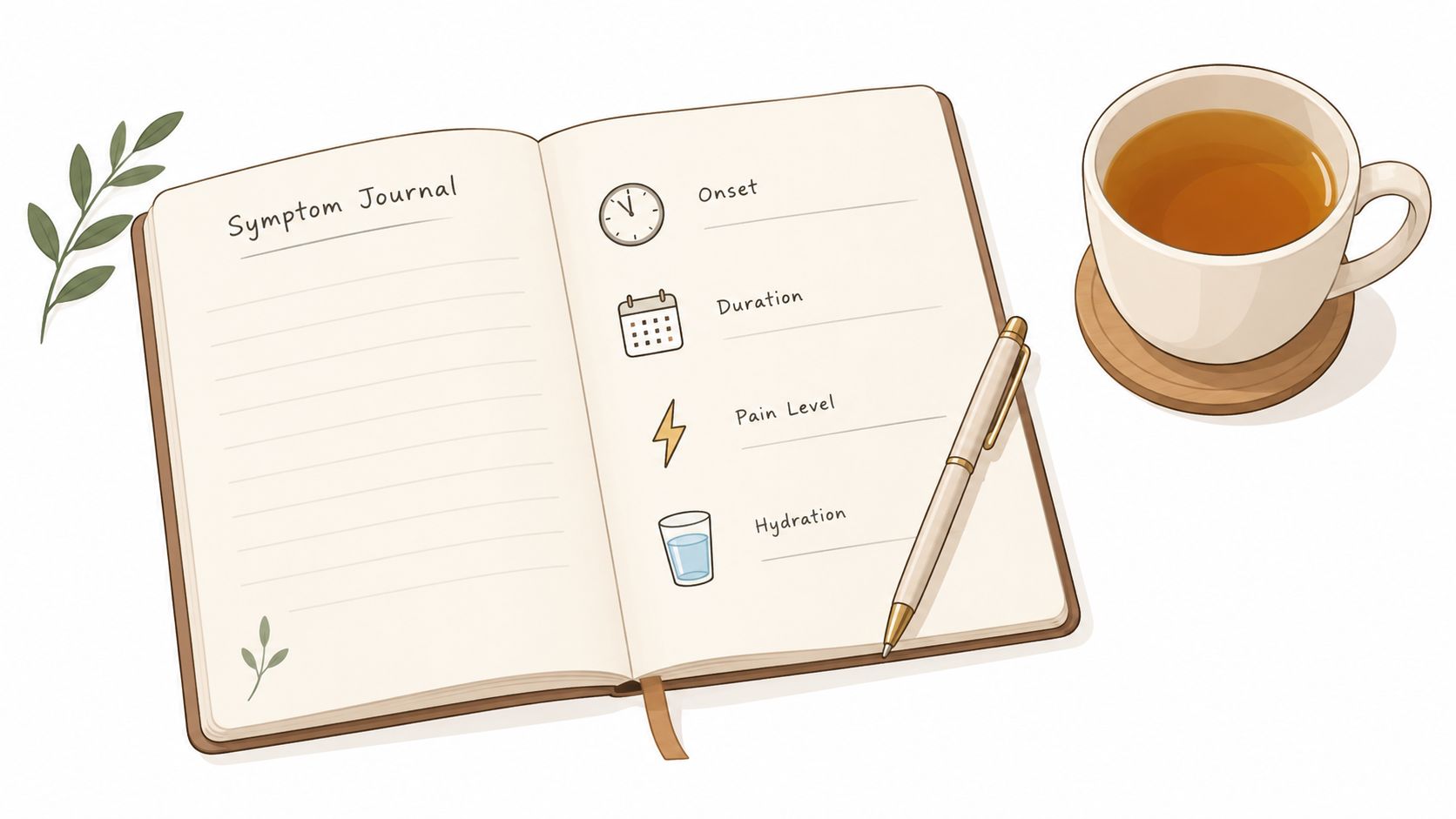
A paper notebook, phone note, or headache diary app can work. Before a specialist appointment, bring your onset date, symptom timeline, scan reports if available, current and previous treatments, medication-use record, and a short list of questions. Tracking shouldn't become another exhausting obligation. On difficult days, a few words are enough.
Living Well With Daily Persistent Headache
Daily pain can narrow your world. You may decline invitations because you can't predict how you'll feel, work in shorter stretches, or worry that others think you're exaggerating. Those losses deserve recognition, but they don't mean your future is fixed or that you must manage this alone.
A realistic plan usually has several parts: appropriate investigation, follow-up with a clinician who understands complex headache, measured treatment trials, and practical support for sleep, activity, work, and emotional strain. A headache specialist can be especially useful when the onset was abrupt, the diagnosis remains uncertain, treatments haven't helped, or symptoms are interfering substantially with daily life.
Set goals that can be observed
A goal such as “feel normal again” reflects a real longing, but it's difficult to measure. More specific goals give you and your clinician better information:
- Spend longer periods functioning without escalating symptoms.
- Improve sleep consistency or morning readiness.
- Reduce reliance on rescue medication when medically appropriate.
- Increase participation in one valued activity.
- Identify warning signs that require urgent care rather than routine tracking.
Improvement may be gradual and uneven. One better day doesn't prove a treatment has solved the problem, and one difficult day doesn't automatically mean the plan has failed. Review the pattern with your healthcare provider and avoid changing prescription treatment without guidance.
NDPH is uncommon, with population estimates generally ranging from 0.03% to 0.1%, or approximately 30 to 100 people per 100,000, according to the review of NDPH epidemiology and clinical features. Its rarity and resemblance to other headache disorders can make the diagnostic journey frustrating, but your experience still merits careful attention.
You don't have to prove that your pain is serious by enduring it silently. A clear timeline and persistent follow-up are forms of self-advocacy.
This article is for informational purposes and is not medical advice. Consult a healthcare provider for personalized guidance. If your symptoms are sudden or severe, occur with fever or a stiff neck, include neurological changes, or follow a head injury, seek immediate medical care.
Relief helps you log headache severity, duration, symptoms, medications, and possible triggers while viewing environmental information such as weather, air quality, pollen, and barometric pressure. If you want a structured record to discuss with your clinician, visit Relief and explore whether its tracking tools fit your routine.


