
Migraine risk factors are a mix of non-modifiable traits like genetics, sex, hormones, and age, plus modifiable influences like sleep, stress, medication use, environment, and co-existing health conditions. Understanding your personal set matters because migraine usually isn't caused by one thing. It's often the buildup of several pressures that push your nervous system past its limit.
You know the feeling. A normal day is on the calendar, then something shifts. Maybe you woke up tired, your schedule got chaotic, the weather changed, and by afternoon you're dealing with head pain, nausea, photophobia (light sensitivity), or that washed-out feeling that can linger after the worst has passed.
That unpredictability is exhausting. It can also make migraine feel random, even when patterns are there.
A useful way to think about migraine risk factors is through your migraine threshold. Picture an invisible line. Some factors set where that line starts, like your family history or hormones. Other factors lower it for the day, like poor sleep, stress, medication overuse, or a pressure change in the weather. When enough stack up at once, an attack becomes more likely.
That's why prevention usually works better as a system than as a single trick. You may not be able to control every factor, but you can get much better at noticing which combinations matter for you. If you want one place to start tracking those patterns, the Relief migraine tracking app is one option alongside a paper journal or notes app.
Table of Contents
- Why co-existing conditions change the picture
- A simpler way to organize what you notice
- What belongs in your tracker
- Consistency helps more than perfection
- Medication overuse headache is a real trap
- A short checklist for steadier days
- What you can't control but can prepare for
- Why place and living conditions matter
Understanding Your Personal Migraine Risk
Why migraine can feel unpredictable
Migraine isn't the same as a routine headache. It's a neurological condition that can involve head pain, nausea, vomiting, aura, sound sensitivity, smell sensitivity, dizziness, and the drained feeling that often follows an attack. Because the symptoms can shift from one attack to the next, people often assume there must be one hidden trigger causing everything.
Usually, there isn't.
One person might get an attack after poor sleep plus stress. Another might be fine through both of those, but have trouble when hormonal changes line up with a storm front. A third may notice that an attack becomes more likely when they're already dealing with insomnia or anxiety. The pattern is personal.
Migraine risk factors aren't a list of things you “should have avoided.” They're clues about how much strain your nervous system was under.
What the migraine threshold means in real life
The threshold idea helps because it explains why a trigger isn't always a trigger. Coffee one day may be fine. The same coffee on a day with missed meals, bad sleep, and heavy stress may land very differently. That doesn't mean you've failed. It means context matters.
A practical way to think about it looks like this:
SituationWhat may be happeningYou slept badly but felt okayYour threshold stayed high enough that dayYou slept badly, skipped lunch, and got a migraineSeveral factors stacked togetherWeather changed and you got symptoms earlyEnvironmental stress may have lowered your thresholdYou can't find one obvious triggerThe buildup may be gradual rather than dramatic
That's why “migraine risk factors” is a better frame than “migraine causes.” Risk factors help explain susceptibility. They don't mean every attack has one clean explanation.
Your Foundation Non-Modifiable Risk Factors
You may have had this experience. Two people miss sleep, work through a stressful day, and eat dinner late. One feels worn out. The other ends up in a dark room with nausea, light sensitivity, and a migraine attack.
Part of that difference starts before any daily trigger shows up.
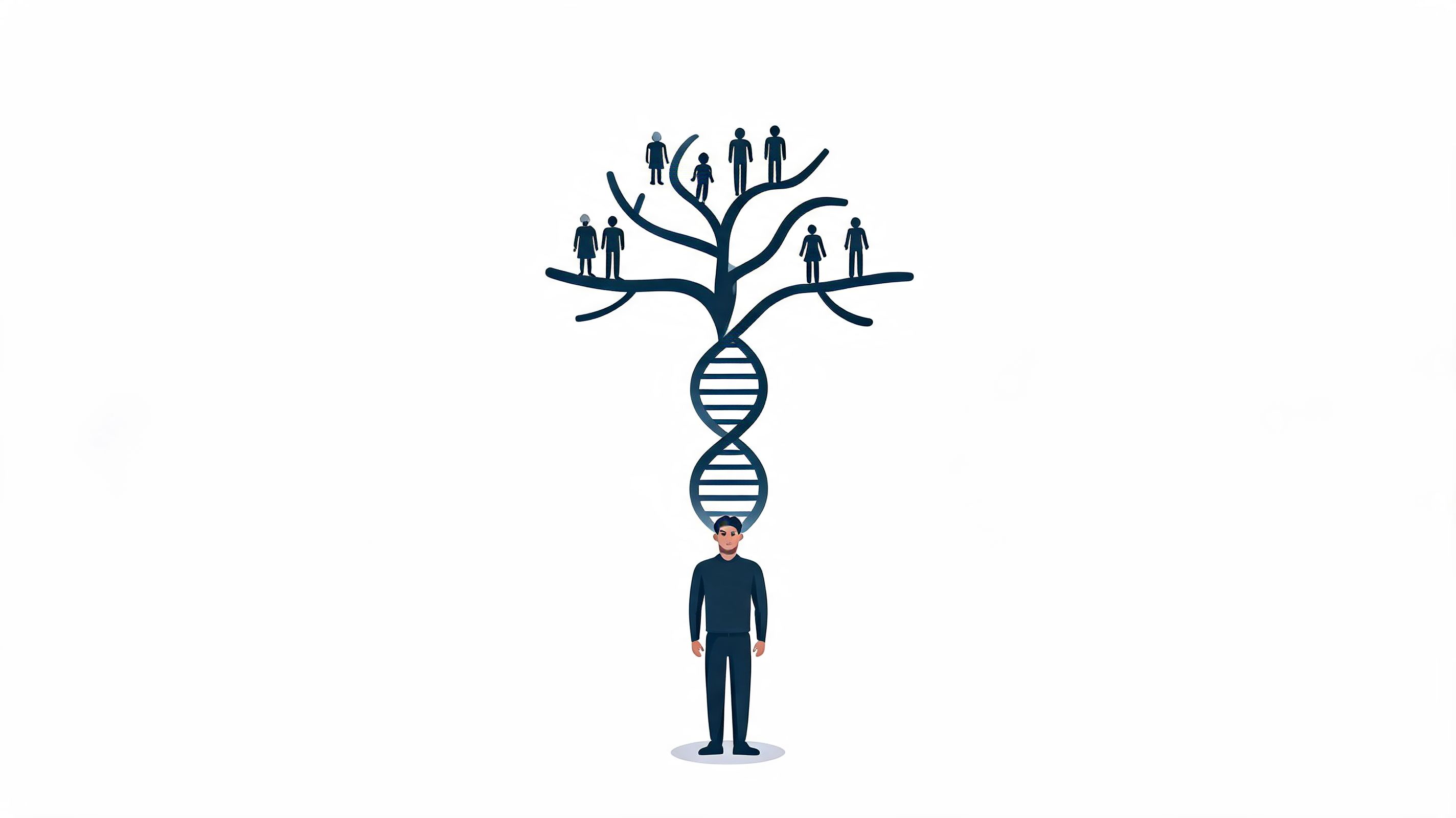
Some migraine risk factors are part of your baseline. You did not create them, and you cannot train them away. What you can do is identify them, because they help explain why your threshold may run lower in the first place. That is useful for prevention. A forecasting tool works better when you know the conditions your brain is already starting from.
Family history and inherited sensitivity
Migraine often runs in families. If migraine is common among close relatives, that pattern points to an inherited nervous system that may react more strongly to change. The change might be sleep disruption, hormone shifts, stress, bright light, or weather. The exact combination varies from person to person.
Genes do not assign you a fixed future. They shape sensitivity, more like the way a smoke alarm can be set to go off more easily. A more sensitive alarm is not broken. It just reaches its warning point sooner.
That perspective can be a relief. Knowing your baseline risk factors helps remove blame.
If relatives have migraine, ask a few concrete questions instead of stopping at "headaches run in the family." Try to learn:
- Who had symptoms that sounded like migraine: aura, nausea, vomiting, light sensitivity, sound sensitivity
- When attacks seemed to flare: adolescence, menstrual years, pregnancy, perimenopause, high-stress jobs, periods of poor sleep
- What reduced attacks: regular meals, consistent sleep, preventive treatment, limiting overuse of pain medicine
Those details can sharpen your own tracking. If your forecasting log shows attacks after overnight schedule changes, and your mother or sister had the same pattern, that is not random noise. It is a clue about the kind of nervous system you may have inherited.
Sex hormones and life stage
Hormones can change migraine risk across the lifespan, especially when estrogen levels rise and fall. Many people first notice migraine around puberty. Others see a clear monthly pattern during menstrual years, then a shift again in perimenopause. Some have fewer attacks after hormones become more stable. Some do not.
This part gets confusing because hormones are not a single trigger you can circle on a calendar and be done with. They act more like a tide. They can raise or lower the water level underneath everything else, so the same missed meal or stressful day affects you differently depending on timing.
A few patterns people often notice include:
- Puberty: migraine begins or becomes more noticeable
- Menstrual years: attacks cluster around cycle-related hormone changes
- Pregnancy and postpartum: patterns may improve, worsen, or change shape
- Perimenopause: fluctuating hormones can make attacks less predictable
- Later life: frequency, severity, or symptom pattern may shift
If attacks seem mysteriously timed, record life stage and hormone-related patterns before assuming the explanation is food, willpower, or a single bad habit.
In this context, the preventive system in this article becomes practical. Non-modifiable factors do not tell you what caused one attack. They tell you what belongs in your background forecast. If you know you have a family history, a menstrual pattern, or a perimenopausal shift, you can treat those as recurring risk layers in your tracker. Then your daily entries, sleep, stress, meals, weather, become easier to interpret against the right baseline.
Co-existing Conditions That Can Lower Your Threshold
Migraine often behaves less like a single isolated problem and more like an overloaded circuit. If sleep is broken, anxiety is high, or blood pressure is poorly controlled, the whole system has less room to absorb stress before symptoms break through.
Research summarized in this review in PubMed Central found that migraine commonly appears alongside conditions such as insomnia, anxiety, depression, hypertension, angina, and gastric ulcers. That does not mean one condition always causes the other. It means your nervous system may be carrying more background strain than a simple trigger list can capture.
This distinction helps. Many people spend years asking, "What triggered this one attack?" when the better question is often, "What lowered my threshold this week?"
Why co-existing conditions change the picture
A co-existing condition can act like static in the background. You may still notice a clear trigger, such as a bad night of sleep or a stressful meeting, but the attack becomes more likely because your baseline was already less stable.
That pattern is especially common with sleep and mood. Fragmented sleep reduces recovery. Anxiety can keep the body on alert. Depression can drain energy needed for routines that protect you, such as regular meals, hydration, or consistent bedtime. High blood pressure or other ongoing medical issues can add another layer of strain and make recovery feel slower.
The loop can run in both directions. Migraine can worsen sleep. Poor sleep can make migraine easier to trigger. Repeated attacks can increase worry about the next one, and that anticipation alone can make symptoms feel louder and more intrusive.
A simpler way to organize what you notice
A long list of diagnoses can feel abstract. A tracking system works better if you group conditions by how they affect your threshold.
CategoryExamples mentioned in researchWhat to watch in real lifeSleep-relatedInsomniaMore attacks after several poor nights, harder recovery, morning symptomsMental healthAnxiety, depressionAttacks during high-stress periods, more body vigilance, lower coping capacityCardiovascularHypertension, anginaPattern changes alongside blood pressure or other heart health issuesOther ongoing health burdensGastric ulcers and other chronic conditionsMore strain, more medication complexity, less reserve during flares
This turns the question from "Which diagnosis matters most?" to "Which part of my system has been under pressure lately?"
What belongs in your tracker
If you use a forecasting tool or migraine log, co-existing conditions should sit in the background layer of your record, not as an afterthought. They help explain why the same day can be manageable one week and miserable the next.
A few useful prompts:
- Sleep: Are attacks showing up after a run of poor nights rather than a single bad one?
- Mood: Do high-anxiety or low-mood periods line up with more frequent migraine days?
- General health: Did your pattern change when another condition flared or treatment changed?
- Recovery time: Do attacks last longer or leave you more drained when another health issue is active?
- Routine strain: Are symptoms worse during weeks when pain, stomach issues, or low mood make it harder to eat regularly? A simple food and symptom log, or a structured migraine diet plan approach, can help separate guesswork from an observable pattern.
If you are working hard on migraine prevention while severe insomnia or uncontrolled blood pressure is still in the picture, an important part of your threshold may be going unaddressed.
Migraine care usually works better when it is connected to the rest of your health. Treating a co-existing condition may not stop migraine on its own, but it can raise your threshold and give your prevention plan a steadier foundation.
Lifestyle Factors Within Your Control

Lifestyle advice can sound annoyingly simplistic when you're living with a neurological condition. Migraine is not happening because you failed to meditate or drink enough water. At the same time, daily habits do affect how stable your nervous system is. The goal isn't perfection. It's fewer avoidable swings.
Consistency helps more than perfection
The people who do best with migraine management often focus less on hunting one “bad” food and more on reducing volatility.
That usually means paying attention to:
- Sleep rhythm: Going to bed and waking up at roughly consistent times.
- Meals and hydration: Avoiding long gaps that leave you depleted.
- Stress load: Not eliminating stress, which isn't realistic, but noticing when your coping capacity is thin.
- Caffeine and alcohol patterns: Watching for your own patterns rather than assuming someone else's triggers are yours.
If you're exploring food-related patterns, keep it specific. Broad elimination without evidence can make life harder and more confusing. A more useful starting point is a structured log and, if relevant, a look at guides like this migraine diet plan article that focuses on tracking patterns rather than blaming single foods.
Medication overuse headache is a real trap
One lifestyle-related risk deserves special attention because it catches many people by surprise. Medication overuse headache happens when frequent use of acute migraine medicines lowers the attack threshold over time.
The American Migraine Foundation notes that regularly using acute medications such as triptans or analgesics on 10 to 15 or more days per month can contribute to chronification, and overusers may have up to a 15 times higher odds of progressing to chronic migraine, as explained in their resource on migraine progression risk factors.
That can feel unfair. You take medication because you're in pain. Then the pattern itself may start increasing risk.
Watch for signs like these:
- Your rescue medication helps less than it used to
- Headache days seem to be creeping upward
- You're treating more often but feeling less in control
- You're not sure whether symptoms are from migraine, rebound, or both
A short explainer can help make the concept clearer:
If this sounds familiar, don't try to sort it out alone. Bring your medication log to a clinician. This is one of the most actionable migraine risk factors because it's modifiable, but it needs careful medical guidance.
A short checklist for steadier days
Try this for two weeks:
- Pick one sleep target: Aim for regular timing rather than perfect duration.
- Protect meals: Keep something simple available for busy or nauseated days.
- Rate stress once daily: A quick low-medium-high note is enough.
- Log acute medication use every time: This matters more than people think.
- Notice recovery days: Sometimes the pattern shows up after the attack, not before.
Environmental Triggers You Can Forecast and Track

Environmental triggers are some of the most frustrating migraine risk factors because you can't remove them from your life. You can't stop a pressure drop. You can't negotiate with humidity. You often can't avoid light, noise, smells, pollen, or poor air quality completely.
You can prepare better, though.
What you can't control but can prepare for
Many people notice attacks around weather changes, especially when they already feel run down. Others react more to sensory inputs such as bright glare, strong odors, or loud environments. Environmental factors often work like force multipliers. They may not start the whole process alone, but they can push an already vulnerable system over the line.
A practical way to use this information is to treat forecasts as planning tools, not predictions of doom. If conditions that usually bother you are coming, that may be the day to protect sleep, avoid skipping meals, reduce optional stress, and be extra observant about early symptoms like neck stiffness, fatigue, or unusual sensitivity.
Some migraine triggers are invisible until you start pairing symptom logs with the world around you.
Why place and living conditions matter
Environmental exposure isn't the same for everyone. Lower socioeconomic status is linked to higher migraine prevalence, and environmental burdens may hit harder when housing, work schedules, neighborhood noise, or access to mitigation are limited. Personalized forecasting can help by giving location-specific warnings for factors such as barometric pressure and air quality, as discussed in Practical Neurology's review of underrepresented populations in headache medicine.
That point matters because advice like “just rest in a dark quiet room” isn't equally available to everyone. A person working shifts, commuting long distances, or living in a noisy building may have very different exposure patterns than someone with more control over their environment.
Try tracking environmental factors in a simple grid:
External factorWhat to noteWeather shiftsPressure changes, storms, heat, humidity, windAir qualityOutdoor smoke, pollution, stale indoor airAllergensPollen days, dust-heavy spacesSensory loadBright sun, screens, strong smells, loud venues
If you use a forecasting tool, look for one that lets you compare symptoms with local conditions over time rather than just showing weather in isolation. The useful question isn't “Was it humid?” It's “Do my attacks tend to cluster when humidity changes and I've also slept poorly?”
Creating Your Personal Migraine Prevention Plan
A prevention plan works best when it's small enough to maintain. If you try to track every molecule of your life, you'll quit. If you track a few high-value factors consistently, patterns start to emerge.
Track fewer things more consistently
Start with one month if you can. On each day, log the basics:
- Migraine activity
Note whether you had migraine symptoms, not just head pain. Include aura, nausea, photophobia, dizziness, or postdrome if relevant. - Sleep
Keep it simple. Good, okay, or poor works if exact hours feel burdensome. - Stress and schedule disruption
Big deadline, conflict, travel day, skipped breaks, or other changes. - Medication use
Especially acute medications. This helps you and your clinician spot overuse patterns early. - Body context
Menstrual cycle timing, illness, blood pressure concerns, poor mental health days, or other co-existing issues that may lower your threshold. - Environment
Weather shifts, air quality, pollen, bright light exposure, or strong odor exposure.
What to look for: Not “Did this trigger me once?” but “Does this combination keep showing up before attacks?”
How to spot a real pattern
A useful pattern usually repeats. It might look like:
- attacks that show up after the second bad night of sleep, not the first
- migraines that cluster when a weather shift lands during a high-stress week
- increased symptoms during a specific part of your menstrual cycle
- more frequent attacks during periods when acute medication use is climbing
- sensory triggers that only matter when you're already depleted
Many people find this distinction confusing. A trigger can be legitimate even if it does not cause a reaction every single time. You are looking for an increased likelihood, not a perfect one-to-one rule.
If you want a decision rule, try this: don't label something as a personal trigger until you've seen the same pattern more than once and ruled out obvious overlap from stronger factors like poor sleep, illness, or cycle timing.
A prevention plan also works better when it includes a response layer. Decide in advance what you'll do on higher-risk days. That might mean protecting bedtime, carrying water and a snack, lowering sensory load, logging symptoms earlier, or contacting your clinician if frequency is changing.
When to See a Doctor About Your Migraine Risk

Get urgent care for red flag symptoms
Some headache symptoms need immediate medical care. Seek urgent help if you have a sudden severe headache, a headache with fever or stiff neck, new neurological changes such as weakness, confusion, trouble speaking, or vision loss, or a headache after a head injury.
Also get medical care if your headache pattern suddenly changes, becomes much more severe, or feels distinctly different from your usual migraine. Migraine can mimic other problems, and other problems can mimic migraine.
Use your tracking data in the exam room
For non-urgent care, a doctor can help you sort out diagnosis, rule out other conditions, and talk through lifestyle approaches, over-the-counter options, prescription treatments, and preventive strategies. Tracking data helps here. It gives your clinician something more useful than “I get them a lot.”
If you want help describing recovery as well as attacks, this article on how long migraine recovery can take can help you put postdrome and after-effects into words.
This article is for informational purposes and is not medical advice. Consult a healthcare provider for personalized guidance.
Migraine risk factors make more sense when you can see them together over time, and Relief helps you log symptoms, medications, and environmental conditions so you can spot the patterns that matter in your life.


