If you feel chest tightness, dizziness, racing thoughts, and head pressure at the same time, you may wonder whether a panic attack, a migraine headache, or both are beginning. Panic attacks and migraine headaches can co-occur, and each may intensify the other, but they aren't the same condition. Learning the difference can help you respond earlier, track useful patterns, and seek appropriate care without dismissing either symptom.
Migraine is a major neurological condition, not just a bad headache. The Global Burden of Disease analysis estimated 1.1 billion migraine cases worldwide in 2019, compared with 721.9 million in 1990, showing the scale and persistence of the condition across populations.
This article is for informational purposes and is not medical advice. Consult a healthcare provider for personalized guidance.
Table of Contents
What Is Happening When Panic and Migraine Show Up Together
You're in a crowded shop when your chest suddenly feels tight. Your heart is pounding, the room seems unreal, and you notice pressure building behind one eye. You might ask yourself, “Am I having a panic attack, a migraine, or something more serious?”
That uncertainty is understandable. Panic can create dizziness, nausea, tingling, and a sense of impending danger. Migraine can bring nausea, sensory sensitivity, dizziness, cognitive changes, and pain that makes ordinary surroundings feel threatening. Sometimes the symptoms arrive in a clear sequence. Sometimes they overlap so closely that the distinction is difficult during the episode.
The overlap is clinically meaningful
Panic disorder appears more often among people with migraine than among people without it. In a nationally representative U.S. sample, panic disorder occurred in 17.4% of migraineurs compared with 5.5% of nonmigraineurs, and one follow-up study reported an odds ratio of 12.8 for a first-time panic disorder after a history of migraine. Reviews also describe people with migraine as three to six times more likely to have panic disorder, while anxiety disorders have been observed in 20% to 75% of people with migraine, as summarized in this peer-reviewed review of migraine and psychiatric comorbidity.
These figures don't tell you what your symptoms mean. They do explain why a clinician may ask about panic symptoms during migraine care instead of treating anxiety as an unrelated issue.
A useful rule: if fear, physical arousal, or avoidance keeps appearing around your attacks, record it alongside the head pain rather than treating it as background noise.
The practical question is what changes when both patterns show up. You'll need to recognize migraine phases, identify the features that point more strongly toward panic, understand the limits of current biology, and build prevention around shared drivers such as disrupted sleep, stress surges, and missed meals.
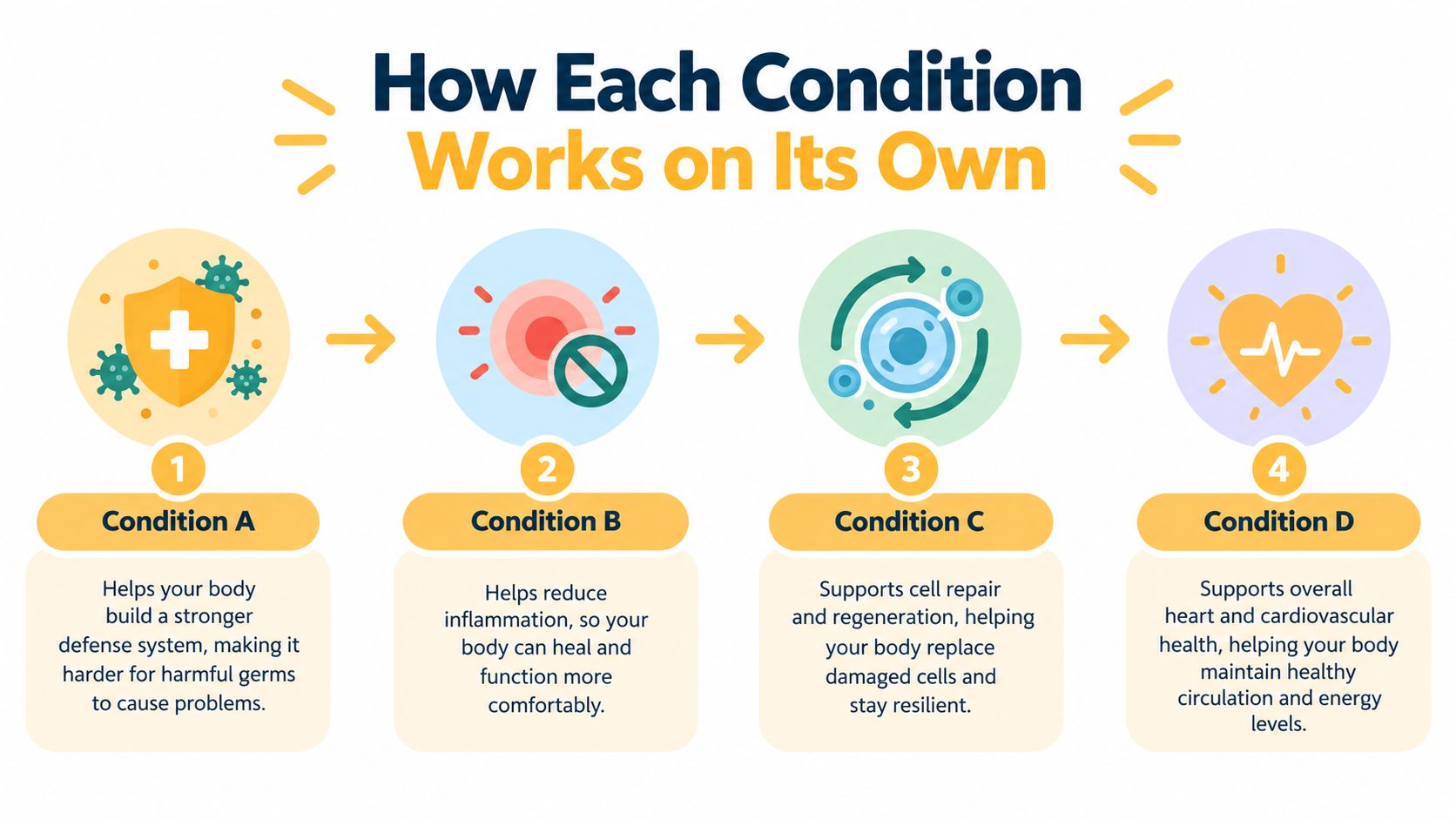
How Each Condition Works on Its Own
Migraine is a neurological disorder with recognizable phases. You may experience all of them, only some, or different symptoms from one attack to the next.
Migraine has more than a headache phase
The prodrome is the early phase that can begin before pain. It may include yawning, mood changes, lethargy, neck stiffness, light sensitivity, and trouble focusing. One review reports that about 77% of people with migraine experience prodrome, making these early changes potentially useful for personal tracking in the clinical overview of migraine prodrome.
An aura is a temporary neurological disturbance that occurs before or during an attack in some people. Visual changes, sensory symptoms, or language difficulties can occur, but aura isn't present in every migraine and shouldn't be assumed to be part of every episode.
The headache phase may involve one-sided, throbbing pain, nausea, photophobia, which means sensitivity to light, and phonophobia, which means sensitivity to sound. The postdrome follows the pain and can leave you fatigued, mentally foggy, or unusually sensitive. Migraine phases can extend well beyond the period of strongest pain, as described in this review of the migraine attack timeline.
Panic is an alarm response
A panic attack is an abrupt surge of intense fear or discomfort accompanied by strong physical sensations. Heart racing, shortness of breath, chest pain, dizziness, tingling, nausea, derealization, and fear of losing control or dying can all occur.
Panic disorder refers to recurrent panic attacks plus ongoing concern about having another attack or changes in behavior to avoid one. That anticipatory fear matters because it can shape your days between attacks, including where you go, how you exercise, and how closely you monitor your body.
The two conditions may share serotonin signaling and activity in brain networks involved in pain, fear, and arousal. These are candidate links, not proof that one condition causes the other. Your symptoms still need to be assessed in context.
Where the Symptoms Overlap and How to Tell Them Apart
The fastest way to sort through an episode is to look at sequence, sensory quality, and time course, rather than relying on a single symptom. Dizziness alone can't identify the cause, and neither can nausea or a racing heart.
| Symptom or Feature | Panic Attack | Migraine Headache |
|---|---|---|
| Head pain | Head pressure or a stress-related headache may occur, but pain isn't the defining feature | Often moderate to severe, frequently one-sided and throbbing |
| Light sensitivity | Bright surroundings may feel uncomfortable during intense fear | Photophobia is a common migraine feature, and darkness may feel relieving |
| Sound sensitivity | Noise may feel overwhelming during distress | Phonophobia can accompany the attack |
| Nausea | Can occur during strong autonomic arousal | Common, sometimes with vomiting |
| Dizziness | Lightheadedness or feeling faint is common | Dizziness or vertigo may occur, including in vestibular migraine |
| Chest tightness | Common and may accompany rapid breathing | Not a defining feature and needs careful assessment |
| Shortness of breath | Common during panic physiology or overbreathing | Not typical of migraine itself |
| Heart racing | A prominent symptom for many people | May occur because of pain, fear, or another cause |
| Tingling | Often affects hands, lips, or face during altered breathing | Neurological sensory symptoms can occur, especially with aura |
| Fear or dread | Sudden fear and impending doom are central features | Anxiety can accompany pain, sensory overload, or aura |
| Typical onset | Rapid escalation, often linked to an alarm sensation | May begin with prodrome and build into the headache phase |
| Duration | Usually shorter than a migraine attack, though aftereffects may linger | The full attack can continue long after the initial pain begins |
Panic doesn't produce true photophobia or aura in the migraine sense. Closing your eyes may feel soothing during either experience, but marked light sensitivity, visual phenomena, nausea, and a familiar migraine pattern point more toward migraine. If dizziness is your main symptom, vestibular migraine symptoms may be relevant to discuss with a clinician.
During an episode, ask yourself three gentle questions:
- What arrived first? Did fear and chest sensations appear before head pain, or did head pain and light sensitivity come first?
- What changes with quiet and darkness? Migraine-related sensory sensitivity may ease when stimulation falls, although panic can also make a quiet space feel safer.
- What does the pattern resemble? Compare it with your previous attacks instead of trying to interpret every sensation from scratch.
Don't use these cues to rule out a serious medical problem. Chest pain, breathing difficulty, new neurological symptoms, or an unfamiliar severe headache require medical attention.
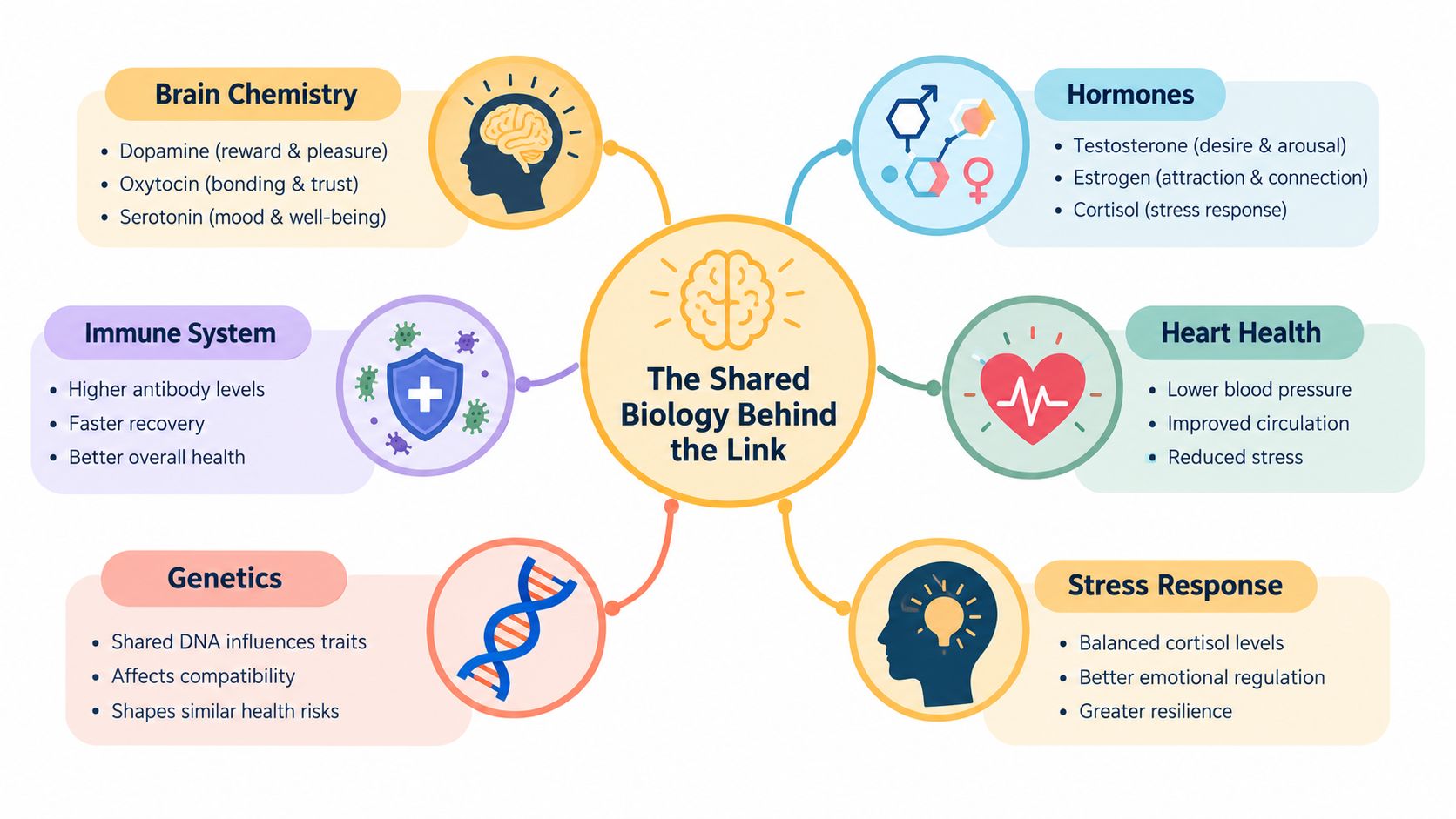
The Shared Biology Behind the Link
Researchers have proposed several biological connections between panic and migraine, but the evidence is still evolving. Shared biology can explain why the conditions appear together without proving that one directly causes the other.
Serotonin and threat sensitivity
Serotonin helps regulate several processes relevant to migraine and panic, including sensory processing, mood, and arousal. Research has described shared serotonergic dysfunction as one possible thread linking the conditions, but serotonin isn't a single switch that can explain every attack.
A second proposed connection involves the interaction between the trigeminovascular system, which carries pain and blood-vessel-related signals in migraine, and limbic circuits, which help process fear, threat, and emotional salience. The prefrontal cortex, insula, and amygdala may become more sensitive to threat signals in chronic migraine, according to this clinical discussion of panic disorder and migraine mechanisms.
Why one flare can influence the other
A migraine attack can make your nervous system feel unsafe. Pain, nausea, visual sensitivity, and difficulty thinking may increase vigilance, which can then amplify fear and bodily monitoring. The reverse can also happen. A panic surge may disrupt breathing, sleep, muscle tension, and recovery, creating conditions that make a migraine attack more likely for some people.
Cortical spreading depression, a wave of changing electrical activity associated with some migraine processes, is another proposed mechanism. Researchers are exploring whether it can interact with brainstem and limbic networks involved in arousal and panic. This remains a model under investigation, not a complete explanation for every person.
The practical meaning isn't that your symptoms are “just neurological” or “just psychological.” Both systems can be involved, and both deserve appropriate care.
Stress and sleep disruption may affect both conditions because they alter arousal and recovery. That doesn't mean you can prevent every attack by staying calm. It means a prevention plan should record nervous-system stress alongside more familiar migraine variables, while leaving room for uncertainty.
Managing Both Conditions Without Overlapping Problems
Treating one condition while ignoring the other can create avoidable confusion. A clinician may need to consider whether a treatment affects panic symptoms, migraine frequency, sleep, medication use, or all of these at once.
Start with foundations that serve both systems
Regular sleep and meals give you a steadier baseline. Hydration, appropriate aerobic movement, and a consistent daily rhythm may help reduce vulnerability for some people, but these steps aren't cures and won't eliminate attacks on demand.
Behavioral care can also address the overlap. Cognitive behavioral therapy, biofeedback, and breathing retraining may help you understand alarm sensations and reduce unhelpful escalation. Breathing exercises should be gentle and comfortable. Forcing deep breaths can worsen lightheadedness in some situations.
Separate acute care from prevention
Over-the-counter options, including NSAIDs, may be appropriate for some people when a healthcare professional confirms they're safe. Prescription acute treatments, including triptan categories, require individualized assessment, particularly if you have cardiovascular risks, other medical conditions, or symptoms that haven't been evaluated.
Medication overuse can make headache management harder. Opioid or barbiturate combinations also require particular caution because sedation, rebound headache, dependence risk, and fear of symptoms can complicate care. Don't change how often you use an acute medicine without discussing it with a clinician.
Preventive prescription categories used in migraine may sometimes affect anxiety symptoms, while others may have no meaningful effect on panic. A prescriber can weigh your migraine pattern, panic symptoms, sleep, other medicines, and medical history rather than choosing a treatment based on one symptom.
Emerging options, including CGRP monoclonal antibody therapies, are designed around migraine biology. They shouldn't be assumed to treat panic disorder, so mental health care may still be needed alongside migraine prevention.
| Category | What It Addresses | Considerations With Both Conditions |
|---|---|---|
| Lifestyle foundations | Sleep regularity, hydration, meal timing, and movement | Avoid rigid rules that increase fear or make normal variation feel dangerous |
| Behavioral tools | Panic conditioning, muscle tension, breathing patterns, and stress response | Use skills practice between attacks, not only during crisis |
| Over-the-counter acute options | Pain and inflammation during selected attacks | Check safety, interactions, and frequency with a healthcare professional |
| Prescription acute options | Migraine-specific attack treatment | A clinician should review cardiovascular history, aura, and other medicines |
| Preventive prescriptions | Reduced migraine frequency or severity for some people | Ask how the option may affect anxiety, sleep, fatigue, and daily function |
| Emerging migraine therapies | Targeted migraine prevention | Don't expect a migraine-focused therapy to replace panic treatment |
| Supplements and complementary products | Individual approaches some people explore | Avoid stacking products without reviewing safety and evidence |
Caffeine swings are another common planning problem. A large change in your usual intake can feel like either a panic trigger or a headache trigger, so discuss a stable approach with your clinician instead of making abrupt changes. The same caution applies to supplements.
Building an Integrated Prevention Plan
When panic and migraine coexist, prevention needs to become more unified, not merely larger. A migraine-only diary may miss the rising dread that precedes pain, while an anxiety-only record may overlook prodrome, light sensitivity, weather exposure, or skipped meals.
Track the lead-up, not only the attack
Use one log for both conditions. Record:
- Body signals: Sleep quality, hydration, meals, neck tension, yawning, light sensitivity, and cognitive fog.
- Panic signals: Sudden fear, chest sensations, breathing changes, avoidance, and anticipatory worry.
- Context: Work pressure, crowded environments, hormonal patterns, travel, weather changes, and unusual sensory exposure.
- Treatment response: What you tried, when you tried it, and what changed afterward.
A headache diary app can make this easier to maintain, but a paper record can work just as well if it captures the same information.
Ask a clinician whether you should be screened for panic disorder when attacks recur, when you avoid activities because of fear, or when anxiety interferes with migraine treatment. Screening isn't a diagnosis. It helps prevent one condition from hiding behind the other.
Layer care in a deliberate order
Begin with foundations you can sustain, then review the pattern with your primary clinician or headache specialist. If panic symptoms persist, a mental health provider can add targeted therapy and skills training. Coordination matters because separate providers may otherwise see only one part of the cycle.
A weekly review can stay simple. Look for what came before each episode, whether fear or head pain appeared first, how sleep and meals changed, and whether your response reduced the episode or only made it easier to tolerate. Bring those observations to your healthcare team instead of trying to turn them into a self-diagnosis.
When to Seek Medical Care and What to Track Next
Seek immediate medical care for a sudden, severe headache, a headache with fever or a stiff neck, new weakness or numbness, trouble speaking, confusion, a major change in vision, or a headache after a head injury. New neurological symptoms need urgent assessment, especially if they don't match your established migraine pattern.
Panic symptoms also need urgent evaluation when they occur with chest pain or shortness of breath. Don't assume those sensations are panic just because you've experienced panic before. New symptoms after age 50, a rapidly changing headache pattern, or an episode that feels distinctly different from your usual attacks also warrants prompt medical attention.
Arrange routine clinical care if attacks are becoming more frequent, acute medication use is increasing, anxiety is interfering with work or relationships, or fear of another episode is shaping your choices. A clinician can review migraine features, panic symptoms, medication use, sleep, and other possible causes together.
For your next appointment, track headache onset and severity, migraine symptoms, anxiety intensity, sleep, hydration, meal timing, menstrual cycle if relevant, environmental exposures, and medicines used. The purpose isn't to grade yourself or replace medical judgment. It's to give you and your healthcare provider a clearer record for shared decisions.
For information about the relationship between head symptoms and a racing heart, see this guide to migraines and heart palpitations.
This article is for informational purposes and is not medical advice. Consult a healthcare provider for personalized guidance.
Relief helps you log migraine attacks, symptoms, triggers, and medications while comparing those records with environmental signals such as weather, air quality, pollen, pressure, and cycle data. Visit Relief to explore a practical way to spot patterns and plan conversations with your healthcare provider.


