There is currently no scientific evidence that crystals for migraines work as a medical treatment, even though some people feel comfort from using them. Among evidence-based options, riboflavin at 400 mg/day has reduced migraine frequency by up to 50% in some adult studies, and more than 70% of people with migraine in the United States report using complementary approaches such as crystal healing, yoga, or meditation.
Searching for relief when a migraine attack looms can make almost any promise sound worth trying. If you've seen amethyst, lapis lazuli, or rose quartz recommended online, you're not unreasonable for wondering whether crystals for migraines might help. Migraine is a neurological disease, not just a bad headache, and the symptoms can include nausea, aura, photophobia (light sensitivity), vertigo, and a washed-out postdrome that can linger after the pain eases.
That search for relief deserves honesty. Healthline notes that crystal healing lacks empirical validation for treating physical ailments like migraines in its review of what healing crystals can and can't do. Some people still report that crystal rituals feel soothing, and that matters on a human level. But the likely active ingredients are expectation, comfort, and the calming structure of the ritual itself, not a proven biological effect from the stone.
This article is for informational purposes and is not medical advice. Consult a healthcare provider for personalized guidance.
Table of Contents
1. The Science of Belief and Migraine
Why belief can change how pain feels
Pain is real, even when the thing easing it isn't a proven treatment. That's one reason the placebo effect matters in migraine. A placebo isn't "fake relief." It's a real change in how symptoms are experienced because your brain and body respond to expectation, attention, and context.
If you dim the lights, lie down, hold a cool stone, breathe slowly, and tell yourself you're helping your body settle, you may feel some relief. That doesn't prove the crystal has a medical effect on migraine pathways. It shows that pain perception can shift when your nervous system feels safer and less activated.
Practical rule: If a crystal ritual helps you slow down, reduce stress, or stay still during prodrome or postdrome, treat that as a mindfulness aid, not proof that the stone is treating the disease.
Migraine is more than head pain. Aura means temporary neurological symptoms, often visual. Prodrome is the early warning phase before an attack. Postdrome is the drained, foggy recovery phase after it. Any calming ritual may feel especially meaningful in those phases because your brain is already under strain.
For a real-world example, think about someone who keeps a smooth stone by the bed and uses it as a cue to turn off screens, hydrate, and rest at the first sign of photophobia. The benefit may come from those supportive actions and the pause they create.
2. Popular Crystals Linked to Migraine Relief
What people usually mean when they suggest crystals
When people talk about crystals for migraines, they usually mean a small set of stones that are associated with calm, clarity, or pain relief in wellness traditions. The most commonly suggested are Amethyst, Rose Quartz, and Lapis Lazuli, and people often place them on the forehead or temples during attacks, according to Migraine Buddy's overview of migraine and crystal healing.
The problem is consistency. There isn't a standardized way people use crystals. Some carry them all day. Others place them on a pillow, hold them in the hand, or combine several stones during an attack. That makes the practice hard to evaluate, even before you get to the larger issue that clinical proof is missing.
A simple example: one person may put amethyst on their forehead during aura, while another wears rose quartz as a necklace all week and says it helps them feel steadier. Those are very different rituals with very different sensory effects.
- Amethyst: Usually linked with stress relief and tranquility.
- Rose Quartz: Usually linked with emotional balance and soothing.
- Lapis Lazuli: Often mentioned for vertigo or nausea-related distress.
That emotional appeal is understandable. Migraine can leave you feeling like you're constantly negotiating with your own nervous system.
3. Amethyst
Why it may feel calming
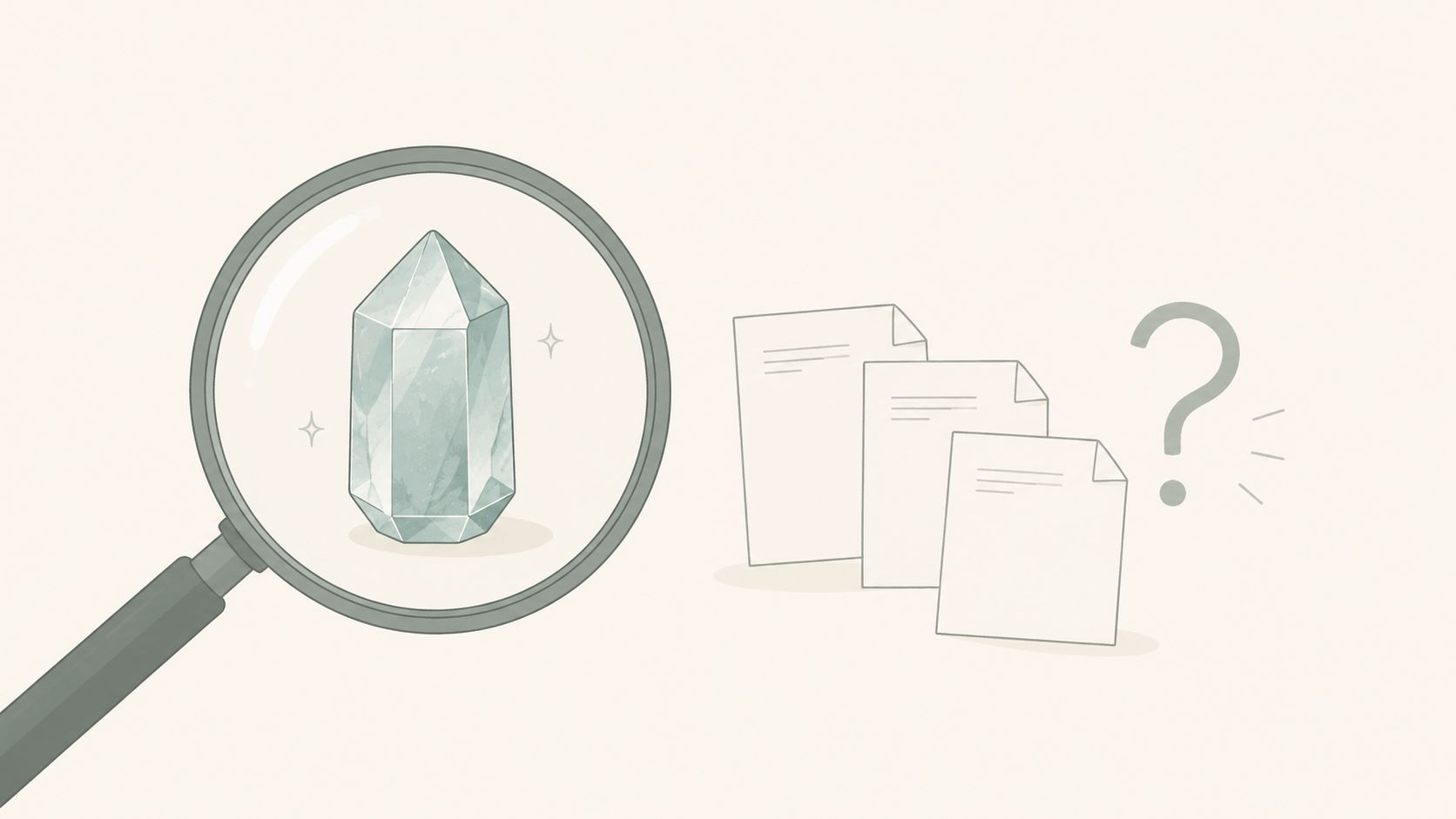
Amethyst is probably the crystal most often linked with migraine support. People usually describe it as calming, quieting, or grounding. In practice, that often means placing a smooth amethyst stone on the forehead or temples, wearing it as jewelry, or keeping it nearby during rest.
That setup can feel soothing for reasons that have nothing to do with crystal energy. The weight of a stone, the cue to close your eyes, and the choice to stop moving can all support a low-stimulation environment. If stress is one of your migraine triggers, that quiet moment may still be useful.
Here's the evidence-aware view. There is no scientific evidence that amethyst itself changes migraine biology. Anecdotal reports do exist, and some users describe less pain or stress when crystals are used alongside medication in accounts discussed by Migraine.com's article on crystal therapy and migraine. That's not the same as proof.
If amethyst helps you remember to get into a dark room early, that's a practical benefit. The stone may be the cue, not the treatment.
A real-world use case is simple. You notice neck tension, light sensitivity, and that familiar "something's off" prodrome feeling. You place the stone down, silence your phone, breathe for a minute, and use your usual care plan. The helpful part is the routine you follow next.
4. Lapis Lazuli
A focal point, not a proven treatment
Lapis lazuli has a long reputation in wellness traditions as a stone tied to wisdom, truth, and head-related discomfort. Its deep blue color can make it feel naturally suited to dark-room rest and meditative focus. For someone with migraine, that aesthetic connection can be surprisingly powerful.
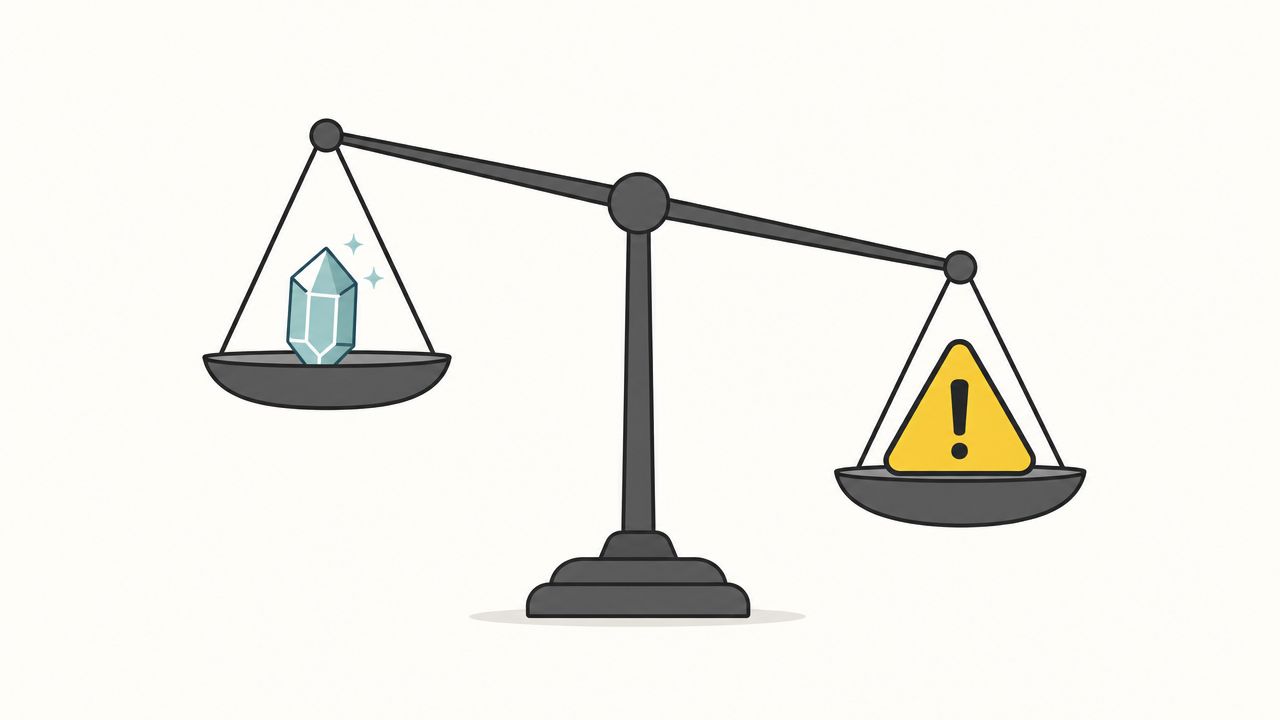
But attractive symbolism isn't the same as evidence. Some users place lapis lazuli on the forehead, near the neck, or hold it while resting. The likely effect is attentional. It gives your brain one steady object to focus on while you ride out stress, nausea, or light sensitivity.
That doesn't mean you should dismiss your own experience. It means you should interpret it carefully. If the stone helps you meditate for five quiet minutes during prodrome, that may reduce stress. It still doesn't show that lapis lazuli treats migraine itself.
Consider a common scenario. You're dizzy, overstimulated, and trying not to spiral. Holding a cool, smooth object while you slow your breathing may help you stay grounded. That's a mindfulness tool.
- Helpful lens: Ask, "What part of this is helping me?"
- Common answer: Darkness, stillness, cooling, touch, expectation, or breathing.
- Safer conclusion: Keep the calming parts. Don't assume the crystal has medicinal properties.
5. Rose Quartz
Cooling comfort versus crystal claims
Rose quartz is usually framed as soft, gentle, and emotionally comforting. That's part of why people reach for it during migraine, especially when stress or sensory overload is involved. Some use a chilled rose quartz roller for facial massage. Others hold the stone during a wave of anxiety or place it nearby during a bath or rest period.
The key distinction is physical effect versus metaphysical claim. A cool object on the face may feel good. Light pressure may ease muscle tension. The same would be true of a chilled spoon, a cold can, or a wrapped ice pack used carefully.
A grounded test: If a smooth, cool household object produces the same comfort, the relief is probably coming from temperature, pressure, and rest rather than the quartz itself.
That doesn't make the ritual pointless. Ritual can be soothing. It can help you stop scrolling, lower sensory input, and shift your attention away from fear. During migraine, that matters.
One caution is practical. Facial massage won't help every type of migraine and can feel unpleasant during allodynia, which is pain from normally non-painful touch. If touch makes your skin or scalp feel raw or burning, skip the roller and choose gentler comfort instead.
6. Clear Quartz
Intention can matter even when the crystal doesn't
Clear quartz often gets called a "master healer" in crystal culture. The claim is that it amplifies energy or intention. From an evidence-based perspective, there's no proof that clear quartz can amplify anything in a way that treats migraine, which is a complex neurological condition.
Still, there is a useful idea hiding inside the ritual. Setting an intention can support self-efficacy, which means feeling more capable of responding to your symptoms in a steady way. That's psychological, not mystical.
A person might sit down with a clear quartz stone and say, "I'm going to reduce stimulation, take my prescribed treatment if needed, and track what happens." That statement can help organize your response. The crystal is symbolic. The behavior is the active piece.
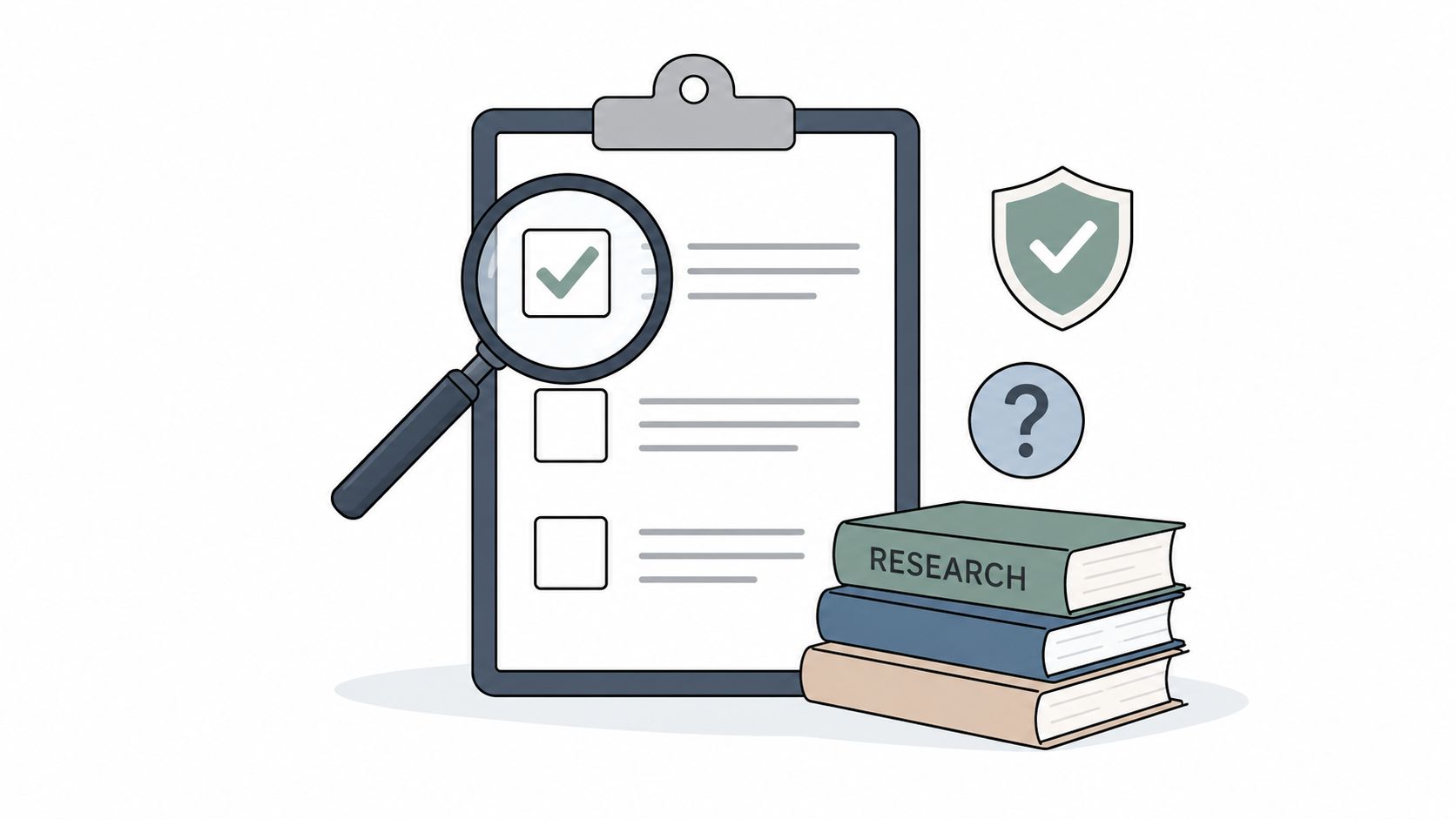
This is also where evidence matters most. In contrast to crystal claims, some complementary migraine approaches do have clinical support. For example, Healthline's review of healing crystals notes that riboflavin at 400 mg/day has shown efficacy in some adult studies, with reductions in migraine frequency of up to 50%.
That's a useful comparison. One option has research behind it. The other is a personal ritual.
7. Selenite
Ritual can create a sense of control
Selenite is often associated with cleansing or clearing. People may wave a selenite wand around the head, place it near the bed, or keep it nearby during rest. If you're in prodrome and feel uneasy, irritable, or "off," that ritual can create a sense of order when your body feels unpredictable.
That sense of control can matter. Migraine often strips away predictability. A repeated ritual can become a sensory anchor. One background discussion of crystal placement claims notes that crystals may be better understood as sensory anchors in mindfulness, through texture, temperature, and visual focus, rather than as metaphysical healing tools, in this discussion of crystal placement and sensory grounding.
A practical note matters here. Selenite is soft and shouldn't be used in water. So if someone tells you to soak it in a bath for "healing," that's not just unsupported. It can damage the stone.
The safest way to use selenite is simple. Keep it dry, use it as a visual or tactile focus, and don't confuse the ritual with treatment.
For a real-world example, you might keep a selenite wand by your bedside and use it as a cue to dim the room, put on an eye mask, and rest. That's a coping ritual. It isn't a substitute for your migraine care plan.
8. How to Use Crystals Safely as a Mindfulness Tool
A safer way to think about crystals
If you enjoy crystals, the safest approach is to treat them like meditation props. That keeps the ritual in proportion and protects you from delaying treatments that have evidence behind them.
There's also a wider context here. More than 70% of people with migraine in the United States report using complementary approaches such as crystal healing, yoga, or meditation, according to the survey cited in Migraine Buddy's article on alternative therapies for migraine. You're not unusual for wanting options beyond medication alone.
Try this simple framework:
- Use the crystal as a cue: Let it remind you to lower lights, reduce noise, and stop pushing through symptoms.
- Focus on the senses: Notice temperature, weight, texture, and color. That kind of grounding can interrupt panic and help you settle.
- Pair it with evidence-based care: Keep your doctor's plan, symptom tracking, and known supports at the center.
- Don't let it replace urgent care: A ritual is never enough for new, severe, or unusual symptoms.
Some people also like "cleansing" or "charging" crystals in moonlight or by rinsing hard stones under water. That's part of the ritual for them, but it doesn't have scientific support. If it helps you reflect, fine. Just keep the meaning personal rather than medical.
9. When a Headache Needs Emergency Care
Red flags you shouldn't wait on
Not every severe headache is a migraine, and not every migraine behaves the same way. Migraine and headache aren't interchangeable terms. Migraine is a neurological disease that may include head pain, but also aura, nausea, vomiting, sensitivity to light or sound, dizziness, or postdrome exhaustion.
Get immediate medical care if you have any of the following:
- Sudden severe pain: A headache that feels like the worst headache of your life.
- Infection warning signs: Headache with fever, stiff neck, rash, confusion, or seizures.
- After trauma: Headache that starts after a head injury.
- Pressure-related worsening: Headache that gets worse with coughing or straining.
- New neurological changes: Weakness, vision loss, trouble speaking, or other sudden changes.
These symptoms need urgent evaluation, not self-treatment with crystals, supplements, or internet advice. If your attacks are changing, becoming more frequent, or no longer fitting your usual pattern, use a tracking tool and bring that record to a clinician. The Relief migraine tracking app can help you log symptoms, timing, and possible triggers so you have something concrete to review.
9-Point Comparison: Crystals for Migraine Relief
| Item | Implementation Complexity 🔄 | Resource Requirements ⚡ | Expected Outcomes 📊⭐ | Ideal Use Cases 💡 | Key Advantages |
|---|---|---|---|---|---|
| Section 1: The Science of Belief: Placebo and Migraine | Low, reading/explanation | Minimal, article/time | Improved understanding of placebo effects; moderate behavior change (⭐⭐) | Patient education; framing expectations | Clarifies mind‑body mechanisms and reduces misattribution |
| Section 2: Popular Crystals Associated with Migraine | Low, compilation/summary | Minimal, list and descriptions | Awareness of claims; negligible clinical effect (⭐) | Informational reference for curious readers | Summarizes common claims with evidence‑aware context |
| Amethyst | Very low, hold/wear/place | Low, inexpensive stone or jewelry | Possible calming placebo or mindfulness benefit; no proven physiological effect (⭐) | Short mindfulness breaks, stress reduction | Calming focal object; easy and low‑risk to use |
| Lapis Lazuli | Very low, hold/wear/place | Low–moderate, stone or jewelry | May aid meditation/stress relief; no clinical evidence (⭐) | Meditative practice, comfort jewelry | Aesthetically compelling focal point for focus |
| Rose Quartz | Very low, roller/hold/place | Low, roller or smooth stone | Cooling/pressure effects from massage; ritual calming, not treatment (⭐) | Gentle facial massage, relaxation rituals | Provides tactile, cooling sensation similar to other tools |
| Clear Quartz | Very low, layouts/hold | Low, multiple stones optional | Symbolic intention‑setting; psychological focus benefit (⭐) | Intention rituals, relaxation sessions | Versatile symbolic tool for concentration |
| Selenite | Very low, waving/placement | Low, fragile (avoid water) | Ritual distraction/control; no direct physiological effect (⭐) | Rest‑phase rituals, grounding practice | Visually calming ritual tool; cautions about water damage |
| Section 3: Safe Incorporation as Mindfulness Tool | Low–moderate, design simple ritual | Minimal, crystal + time + breathing | Supports mindfulness and stress reduction; adjunctive only (⭐⭐) | Complementary wellness routines, anxiety control | Encourages safe, structured use without replacing care |
| Section 4: When a Headache Is a Medical Emergency | Low, recognize red flags | High, immediate medical evaluation/care | Potentially life‑saving if acted upon (⭐⭐⭐) | Triage decisions; emergency response | Prioritizes safety and provides clear actionable guidance |
Finding What Truly Works for You
The search for relief is personal, and it can also be exhausting. When you've had migraine for years, it makes sense to be curious about crystals, supplements, routines, devices, and anything else that might make the next attack easier. Curiosity isn't the problem. The problem is when hope gets attached to claims that don't have evidence.
Crystals for migraines fit into that difficult space between comfort and proof. They may feel soothing. They may help you build a ritual that lowers stress, reduces stimulation, and gives you something steady to focus on during prodrome or postdrome. Those are real experiences. But they don't show that crystals treat migraine disease.
The more useful question is often, "What part of this is helping me?" If the answer is a dark room, less noise, cooling, stillness, breathing, or the feeling of doing something caring for yourself, those are the parts worth keeping. You can build around them intentionally.
It's also worth remembering that complementary care doesn't have to mean unproven care. Some non-drug approaches and supplements have stronger evidence than crystals do. That's where a clinician can help you sort lifestyle changes, over-the-counter strategies, prescription options, and complementary supports into a plan that matches your symptoms and medical history.
Your best tool is often pattern awareness. Track when attacks happen, whether you had aura, what symptoms showed up, what you tried, and what helped. Over time, those details become more valuable than any trend on social media. They help you and your healthcare provider separate comforting rituals from treatments that reduce frequency, severity, or disruption in daily life.
A tool like Relief can help you track triggers, symptoms, timing, and patterns so you're making decisions from your own history, not just from migraine folklore.
If you want a calmer, more organized way to understand your migraine patterns, Relief can help you log symptoms, spot trigger trends, and see risk signals before an attack disrupts your day.


